

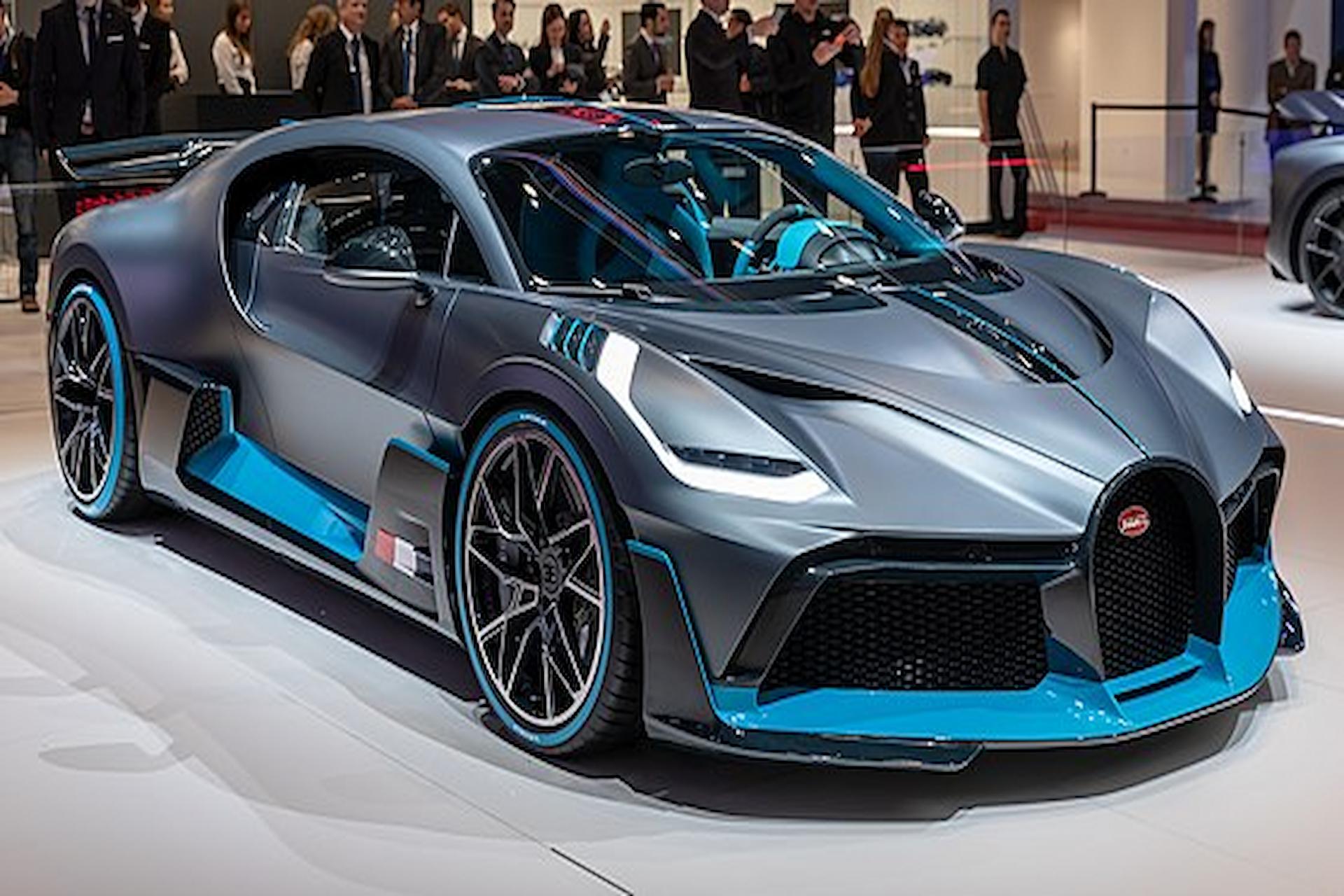
Modern vehicles have come a long way from basic machines to highly advanced mobility solutions. Today’s cars are stronger, smarter, and safer than ever before. Powered by innovation, they offer improved performance, greater comfort, and reduced environmental impact. This transformation reflects human progress, engineering creativity, and a growing commitment to sustainability.
Introduction
The automotive world has changed dramatically over the past century. Vehicles that once relied solely on simple mechanical systems now combine intelligent technology, precision engineering, and clean energy solutions. Drivers today expect more than transportation. They want efficiency, speed, comfort, and safety. Modern vehicles deliver all of this and more.
The evolution of cars shows how far innovation can go when power and performance work together. From the rise of electric mobility to advanced safety systems, every step forward reflects progress. Understanding this journey helps us appreciate the technology we use every day and the direction transportation is heading.
The Early Days of Automobiles
The first cars were simple. They used basic engines and low-power systems. Comfort and safety were almost nonexistent. Roads were rough, driving was slow, and breakdowns were common. Yet these early vehicles changed how people lived, travelled, and worked.
Key Limitations of Early Cars
-
Low engine power and short travel range
-
Limited fuel systems and unreliable performance
-
No safety features such as seatbelts or brakes for emergencies
-
Very basic designs with minimal comfort
Despite their limitations, these vehicles inspired massive innovation. They sparked a global movement that shaped industry, economy, and society.
The Shift to Performance and Reliability
As demand increased, manufacturers began improving power and engineering. Engines became stronger, roads improved, and production methods advanced. Vehicles could now travel farther, faster, and more safely.
Major Advancements
-
More powerful engines with improved acceleration
-
Better braking systems and stronger build quality
-
Greater reliability and lower maintenance needs
-
Comfortable interiors for everyday family use
This period laid the foundation for mass mobility. Car ownership became common, and driving became a central part of modern life.
Safety Becomes a Priority
With more cars on the road, safety became critical. Manufacturers focused on protecting drivers and passengers. Modern safety features reduced accidents and saved thousands of lives.
Key Safety Innovations
-
Seat belts and airbags
-
Anti-lock braking systems
-
Reinforced body frames
-
Crash impact absorption designs
Today, most vehicles are built with strict safety standards. Drivers trust the systems that protect them, even in difficult situations.
Technology Transforms Driving
Over the past two decades, technology has become the heart of automotive progress. Cars are now equipped with intelligent systems that improve performance, comfort, and safety.
Popular Tech Features in Modern Vehicles
-
Touchscreen infotainment and digital dashboards
-
Sensors and cameras for easier parking and safer driving
-
Navigation and real-time traffic updates
-
Fuel-efficient engines and hybrid power systems
These features make driving smoother and more enjoyable, while reducing delays and stress.
The Rise of Electric and Hybrid Vehicles
Electric vehicles (EVs) are changing the future of transportation. They provide strong performance without relying on fossil fuels. This shift supports global sustainability goals and reduces pollution.
Benefits of Electric Vehicles
-
Lower running costs
-
Reduced carbon emissions
-
Quiet and smooth driving experience
-
Fast acceleration and strong power delivery
Electric mobility represents progress, showing how technology and environmental responsibility work together.
Why Electric Cars Are Growing in Demand
-
Government policies supporting clean energy
-
Rising fuel prices
-
Better battery performance
-
Improved charging networks
The shift to electric cars marks a major turning point in the evolution of modern vehicles.
Performance Redefined: Speed, Strength, and Efficiency
Modern cars offer impressive power. High-performance engines deliver speed and control like never before. Efficiency is equally important, reducing fuel use while maintaining strong output.
Key Focus Areas in Performance
-
Faster acceleration and smoother handling
-
Better stability and control at high speeds
-
Improved aerodynamics for fuel efficiency
-
Lightweight materials for stronger performance
Performance vehicles today are not just fast. They are smart, efficient, and engineered for maximum control.
Connected Cars and Smart Mobility
Many cars now connect directly to the internet and digital services. This allows real-time control and remote monitoring.
Smart Car Capabilities
-
Remote lock and start
-
Vehicle health reports
-
Driver assistance features
-
Live updates and cloud-based services
This new level of connectivity creates a seamless driving experience and represents the future of mobility.
Autonomous Driving: The Next Big Step
Self-driving technology is expanding quickly. Many vehicles already use systems that help with steering, braking, and lane control. Fully autonomous vehicles are still developing, but real-world testing continues across the world.
Advantages of Autonomous Driving
-
Reduced accidents caused by human error
-
Lower traffic congestion
-
Accessible mobility for elderly and disabled users
Although still evolving, autonomous driving represents one of the biggest transformations in transportation history.
Sustainable Manufacturing and Materials
Vehicle production is also changing. Manufacturers now use eco-friendly materials and energy-efficient processes.
Examples
-
Recycled metals and plastics
-
Renewable energy for factories
-
Lightweight materials to improve efficiency
Sustainability is shaping every stage of development.
The Future of Modern Vehicles
The next generation of vehicles will combine electric power, smart technology, and self-driving capabilities.
What We Can Expect
-
Faster charging and longer battery life
-
Fully automated road networks
-
Shared and subscription-based mobility
-
Zero-emission vehicles as standard
The journey continues, and the future looks exciting.
FAQs
How have vehicles changed over time?
Vehicles have evolved from simple machines to advanced mobility systems. Early cars offered basic transport with limited safety or performance. Modern vehicles include smart technology, electric power, improved safety features, and high-performance engineering. This progress makes driving faster, safer, and more comfortable.
Why are electric vehicles becoming popular?
Electric vehicles reduce running costs and support a cleaner environment. They produce no tailpipe emissions and offer strong performance with smooth acceleration. Improved batteries, better charging options, and rising fuel prices are driving demand.
What role does technology play in modern cars?
Technology improves safety, comfort, and performance. Features like sensors, navigation, cameras, and connectivity tools assist drivers and reduce accidents. Digital dashboards and smart controls make daily driving easier and more efficient.
Are autonomous cars safe?
Autonomous technology aims to improve safety by reducing human errors. These systems use sensors, cameras, and intelligent software to support decision-making. Although still developing, autonomous vehicles show strong potential for safer mobility.
What will cars look like in the future?
Future vehicles will rely on electric power, smart connectivity, and self-driving systems. They will be cleaner, more efficient, and highly intelligent, with faster charging, improved range, and advanced safety innovations.
Conclusion
Modern vehicles reflect progress built over decades of invention and innovation. From early mechanical machines to intelligent electric systems, the evolution has been extraordinary. Today’s cars deliver power, performance, comfort, and safety while supporting a cleaner world. As technology advances, vehicles will become even smarter and more efficient. The future of mobility is accelerating, opening the road to new possibilities.
