

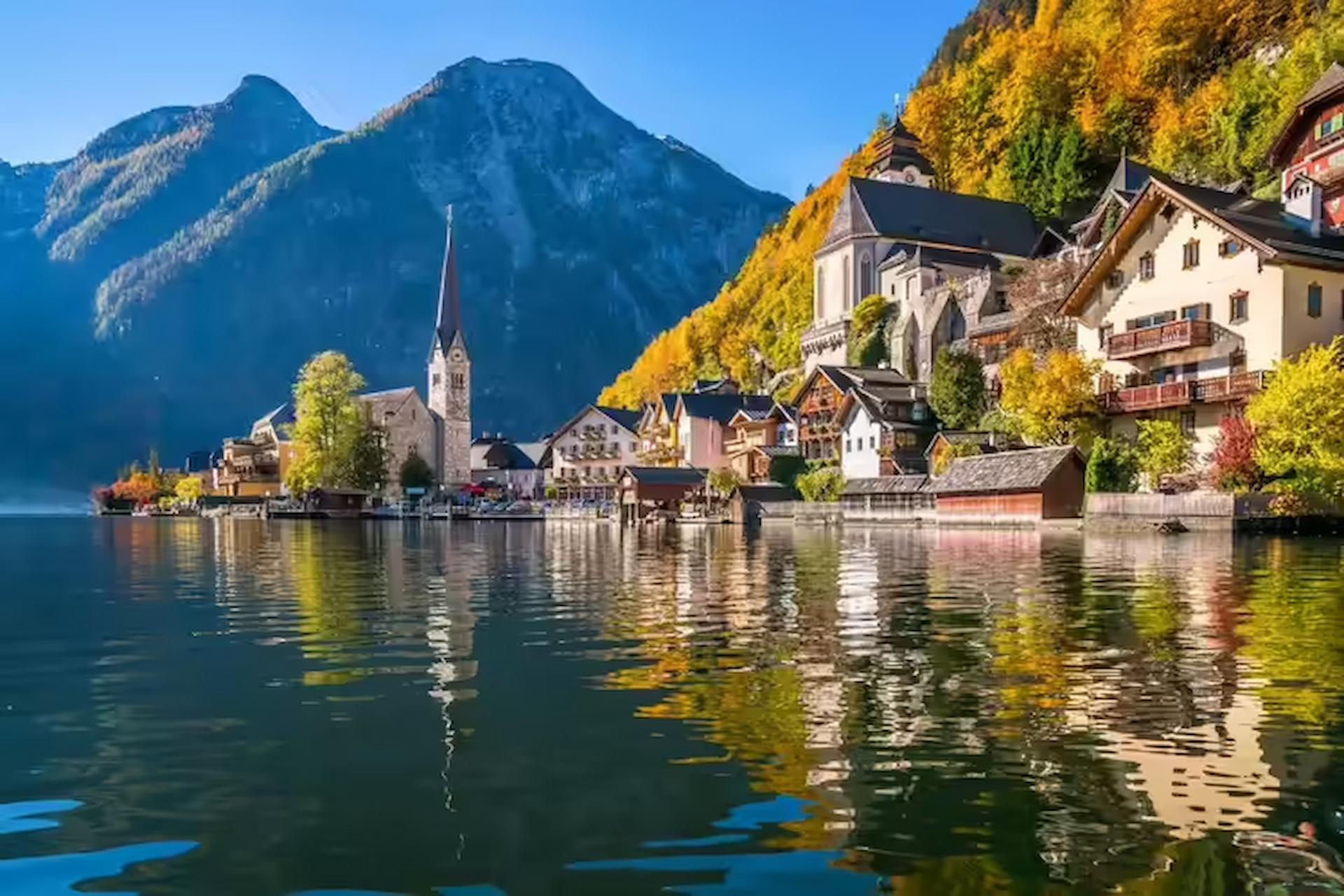
Exploring the World’s Iconic Cities and Their Best Travel Secrets
Travel has a unique way of widening perspective. It introduces new cultures, challenges habits, and creates memories that last a lifetime. Some places are famous for a reason. Others remain quietly remarkable, waiting for curious travellers to notice them. This guide brings both together—iconic cities that shape global culture and hidden gems that reward slower, more thoughtful exploration.
The destinations below are chosen for their history, beauty, local life, and enduring appeal. Each place offers something distinct, whether it is architecture, food, landscapes, or everyday experiences.
Paris — Where Culture and Everyday Life Meet
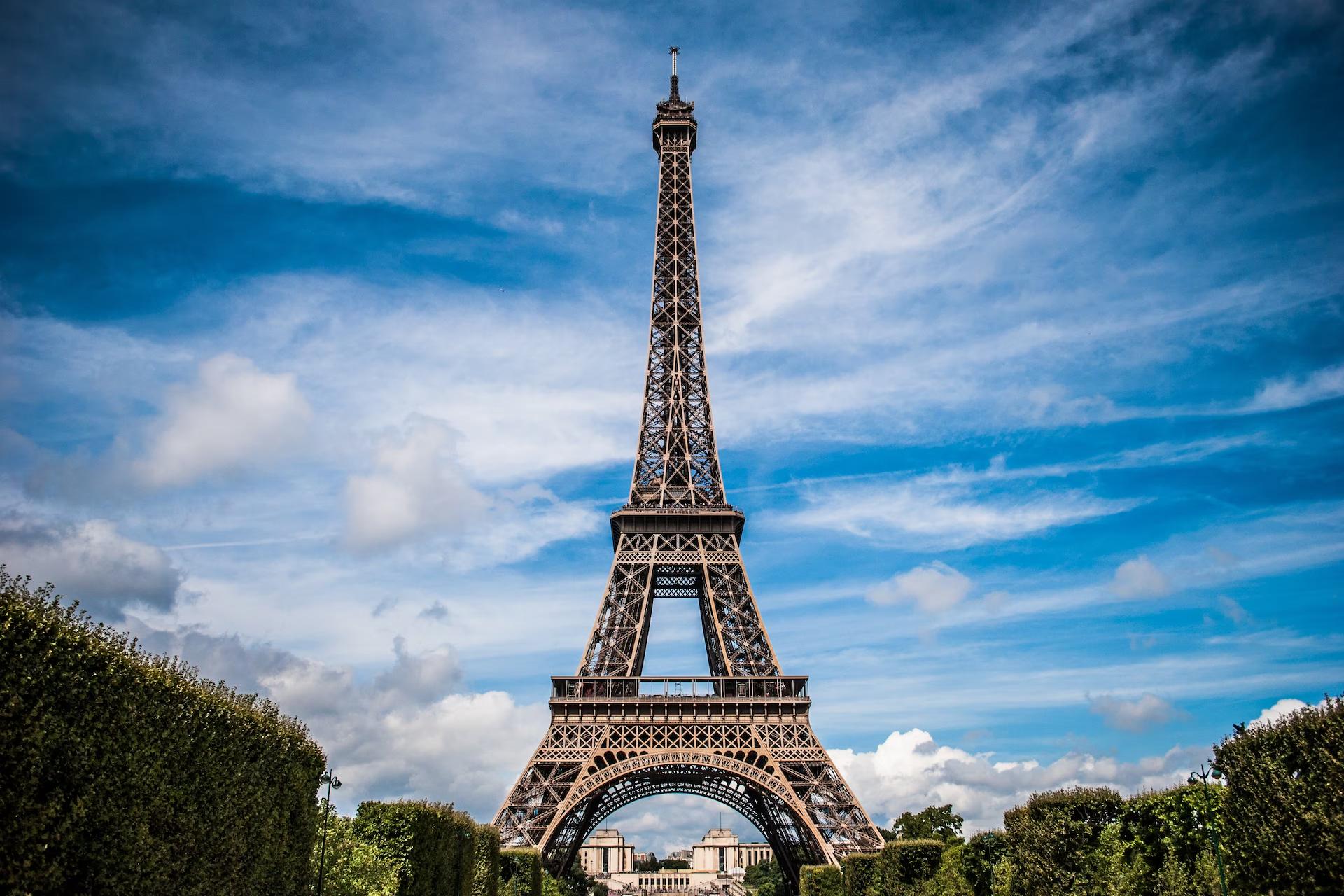
Paris is more than landmarks. It is a city built on routine pleasures. Morning coffee at a street café. Fresh bread from a neighbourhood bakery. Long walks along the river at sunset.
The city is rich in art, history, and design, yet it never feels frozen in time. Museums sit beside busy markets. Elegant boulevards lead to quiet side streets. Paris rewards those who slow down and observe.
Why it matters
- World-class art and architecture
- Strong café culture and local life
- Walkable neighbourhoods with clear character
Rome — History You Can Touch
Rome is a living museum. Ancient ruins exist alongside modern apartments, offices, and cafés. The past is not hidden behind glass. It is part of daily life.
Every corner tells a story. A small square might contain layers of history stretching back thousands of years. Rome is not polished. It is raw, loud, and deeply human.
Why it stands out
- Ancient landmarks in everyday settings
- Simple, honest food traditions
- Strong sense of identity and continuity
New York City — Energy Without Pause
New York City moves fast, yet it welcomes everyone. It is shaped by people from all over the world, which makes it endlessly changing.
One street can feel entirely different from the next. From quiet residential blocks to crowded avenues, the contrast is part of the appeal. Culture, business, art, and food exist side by side.
What makes it iconic
- Global influence in media, finance, and culture
- Neighbourhoods with distinct identities
- Constant reinvention and creative energy
Tokyo — Order, Innovation, and Tradition
Tokyo blends old customs with modern efficiency. Temples sit near busy train stations. Traditional meals coexist with futuristic design.
The city works because of respect. For space. For time. For others. Visitors often notice how calm the city feels, despite its size.
Key highlights
- Reliable transport and clear systems
- Respectful, welcoming local culture
- Food quality at every level
Ljubljana — Small, Green, and Human-Scaled
Ljubljana surprises many first-time visitors. It is compact, clean, and easy to explore on foot. Cars are limited in the centre, which creates a relaxed atmosphere.
The river shapes the city’s rhythm. Cafés line the banks. Locals linger. Life feels balanced.
Why it deserves attention
- Walkable historic centre
- Strong focus on sustainability
- Calm pace without feeling dull
London — Layers of History and Modern Life
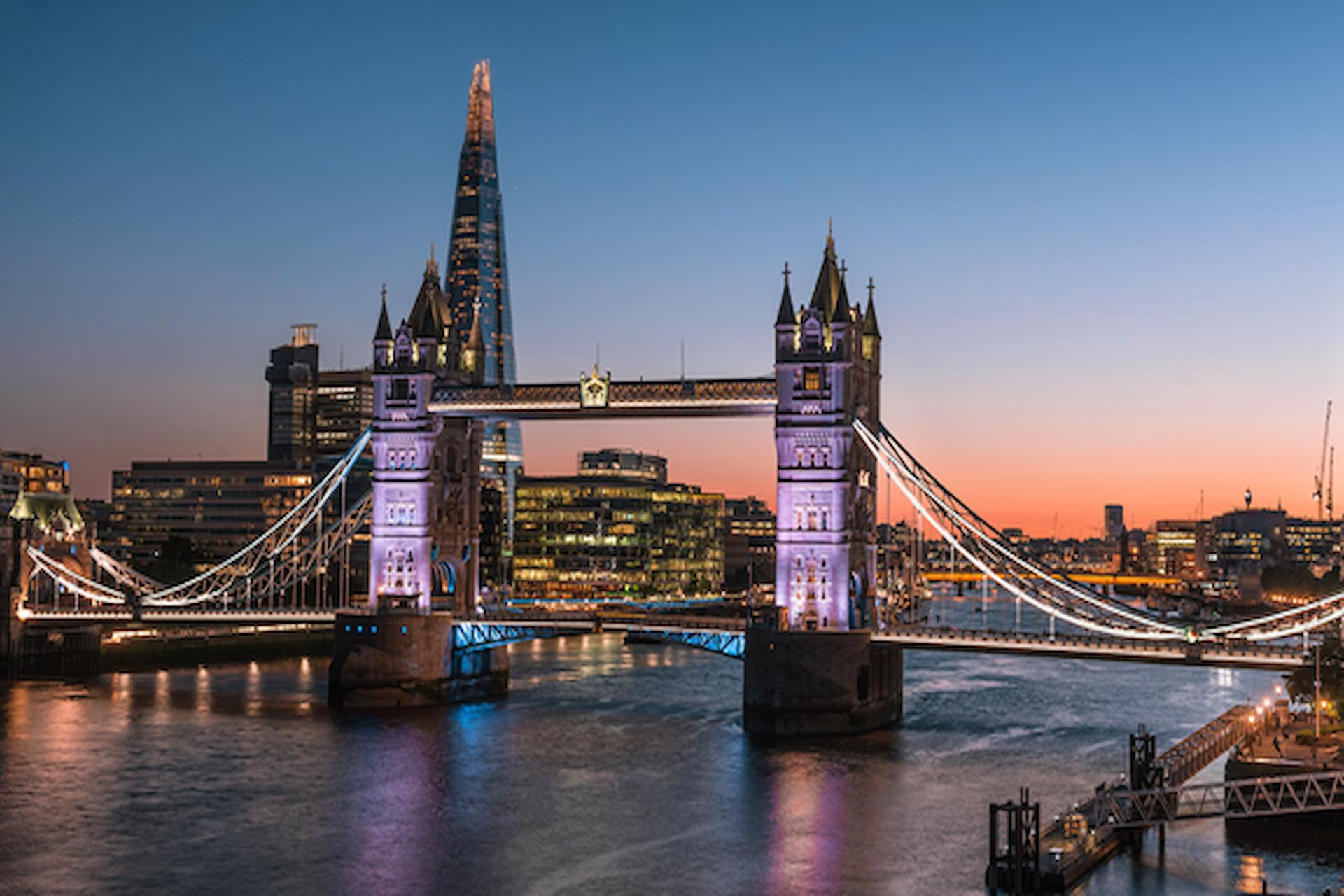
London does not try to impress loudly. Its strength lies in layers. Roman roads, medieval buildings, industrial growth, and modern design all exist together.
Each area has its own rhythm. Markets, parks, museums, and theatres are woven into daily routines. London feels lived in, not staged.
Why travellers return
- Deep historical roots
- Diverse communities and cultures
- Balance of tradition and change
Luang Prabang — Spiritual Calm and Natural Beauty
Luang Prabang moves gently. Mornings begin with monks walking through quiet streets. Evenings end by the river.
The town blends local life with cultural heritage. It feels respectful and grounded, not overdeveloped.
What travellers value
- Spiritual traditions are still practised daily
- Access to nature and waterfalls
- Strong sense of place
Matera — Ancient Living Spaces
Matera is carved into rock. Homes, churches, and paths are shaped from stone. What once symbolised poverty is now recognised as cultural heritage.
Walking through Matera feels timeless. The city shows how people adapted to land, climate, and community.
Why is it unforgettable
- Unique stone architecture
- Deep historical continuity
- Powerful sense of resilience
Chefchaouen — Colour and Calm in the Mountains
Chefchaouen is known for its blue streets, but its charm goes deeper. The town feels peaceful and personal.
It is a place to slow down. To walk without plans. To talk with locals and enjoy simple meals.
What makes it special
- Distinct visual identity
- Relaxed pace of life
- Strong local craftsmanship
Colmar — Storybook Streets With Real Life
Colmar looks like a painting. Yet it is not a museum town. Locals live, work, and gather here.
Seasonal markets, small restaurants, and quiet canals give the town its charm.
Why it works
- Well-preserved historic centre
- Local traditions are still active
- Manageable size for slow travel
Why Mixing Famous Places With Hidden Ones Matters
Popular destinations offer context. They explain history, culture, and global influence. Lesser-known places offer connection. They show how people live today.
Together, they create a balanced travel experience.
Benefits of this approach
- Better understanding of local life
- Less crowded, more meaningful moments
- Broader cultural perspective
Practical Travel Principles That Apply Everywhere
Good travel is not only about destinations. It is about approach.
Simple guidelines
- Stay longer in fewer places
- Walk when possible
- Eat where locals eat
- Respect local customs
- Support small businesses
These habits lead to deeper experiences and lasting memories.
FAQS
What makes a destination truly worth visiting?
A destination is worth visiting when it offers a strong sense of place, meaningful experiences, and opportunities to connect with local culture. This can include history, food, landscapes, and daily life. The best places leave travellers with understanding, not just photos, and feel authentic rather than overly staged.
Are iconic cities better than hidden gems for first-time travellers?
Iconic cities are often better for first-time travellers because they are well-connected, familiar, and easy to navigate. Hidden gems work best when paired with these cities, offering contrast and deeper insight. Combining both allows travellers to enjoy famous highlights while also experiencing quieter, more personal destinations.
How do I find hidden gems without relying on social media trends?
Hidden gems are best found through local recommendations, regional travel guides, and slow research. Talking to residents, staying longer in one area, and exploring beyond main attractions often reveal lesser-known places. Avoid chasing trends and focus instead on areas with strong local life and history.
Is it safe to visit lesser-known travel destinations?
Most lesser-known destinations are safe when travellers follow basic precautions. Research local customs, transport options, and accommodation carefully. Stay aware of surroundings, respect cultural norms, and use reliable local services. In many cases, smaller destinations feel safer and more welcoming than crowded tourist centres.
How can travellers experience destinations more authentically?
Authentic travel comes from slowing down and observing everyday life. Walking instead of rushing, eating local food, and engaging respectfully with residents make a difference. Staying in locally owned accommodation and supporting small businesses also helps travellers experience places as living communities, not tourist displays.
When is the best time to visit popular destinations?
The best time to visit popular destinations is often during shoulder seasons, just before or after peak travel months. Crowds are smaller, prices are lower, and daily life feels more natural. The weather is usually still pleasant, allowing travellers to enjoy major sights without excessive congestion.
Why should travellers mix famous cities with hidden destinations?
Mixing famous cities with hidden destinations creates a balanced travel experience. Well-known cities provide cultural context and historical depth, while lesser-known places offer calm, connection, and insight into daily life. Together, they help travellers understand both the global story and the local reality of a region.
Final Perspective
Iconic Cities and Hidden Gems reminds us that meaningful travel is not defined by distance or popularity, but by depth of experience. Iconic cities continue to inspire with their history, culture, and everyday rhythms, while hidden gems offer quieter moments of connection, authenticity, and surprise.
Together, these destinations show that the world rewards curiosity. Whether wandering famous streets or exploring overlooked corners, travel becomes richer when approached with openness, respect, and patience. The most memorable journeys often balance the well-known with the unexpected—where global landmarks and local life coexist, and every place leaves its own lasting impression.
