

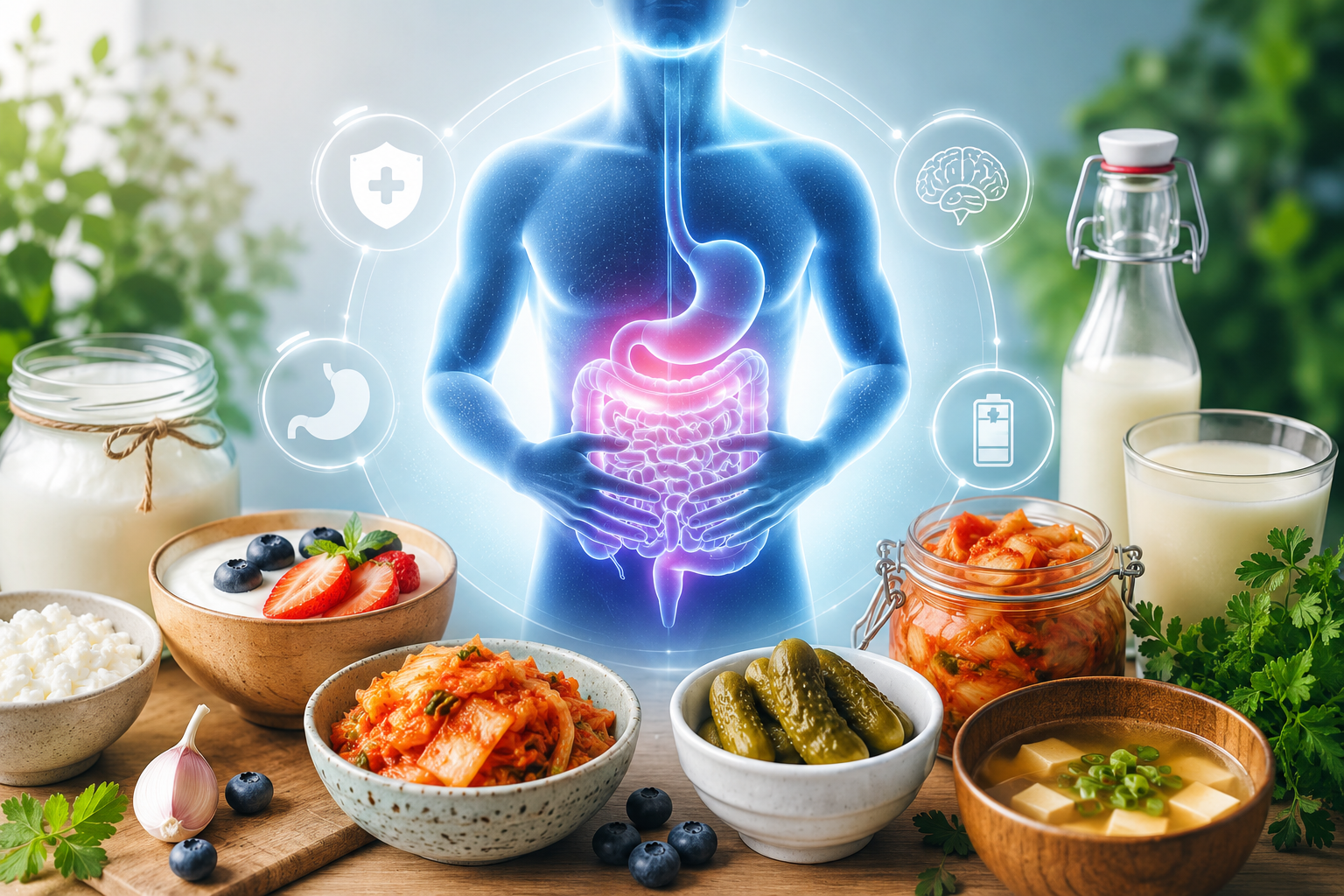
Gut health influences far more than digestion alone. Discover how probiotics support immunity, nutrient absorption, energy, and overall wellness naturally. From probiotic-rich foods to simple lifestyle habits, this guide explains how maintaining a healthy gut microbiome can improve long-term physical and mental well-being while helping you naturally build healthier daily routines.
Digestive health plays a far greater role in overall wellness than many people realize. The gut is connected to immunity, energy levels, nutrient absorption, mood balance, and even sleep quality. As awareness around holistic health continues to grow, probiotics have become one of the most widely discussed topics in nutrition and wellness.
Probiotics are often described as “good bacteria” because they help maintain a healthy balance of microorganisms inside the digestive system. When this balance is disrupted by poor diet, stress, illness, or antibiotics, the body may struggle to function efficiently. Supporting gut health naturally through probiotic-rich foods and healthy habits can help improve overall well-being over time.
A Healthier Gut Microbiome Supports Better Digestion
A balanced gut microbiome helps the digestive system break down food more effectively and absorb nutrients more efficiently. Probiotics can help maintain this balance by promoting the growth of beneficial bacteria while reducing harmful strains that may contribute to digestive discomfort.
Many people turn to probiotics to help manage occasional bloating, gas, constipation, or irregular digestion. Fermented foods such as yogurt, kefir, kimchi, sauerkraut, and miso naturally contain probiotics that support digestive function. When paired with a fiber-rich diet, probiotics help create an environment where healthy bacteria can thrive more consistently.
Probiotics May Strengthen Immune Function Naturally
A large portion of the immune system is closely linked to the gut. Healthy gut bacteria help the body recognize harmful pathogens and support normal immune responses. When gut balance is disrupted, immune function may become less effective over time.
Research has shown that certain probiotic strains may help support the body’s natural defenses by encouraging microbial diversity within the digestive tract. People who regularly consume probiotic-rich foods often report improved resilience during seasonal changes and periods of stress. While probiotics are not a replacement for medical treatment, maintaining a healthy gut may contribute to stronger long-term immune support.
Improved Nutrient Absorption Helps the Body Function Better
Even a nutrient-rich diet may not deliver full benefits if the digestive system struggles to absorb vitamins and minerals effectively. Probiotics help support the breakdown and absorption of nutrients, including calcium, magnesium, B vitamins, and iron.
A healthier gut lining can improve the body’s ability to process food more efficiently, which may support energy production and general wellness. This becomes particularly important for individuals dealing with digestive imbalances or restrictive diets. Over time, better nutrient absorption can contribute to improved vitality, concentration, and physical performance.
Gut Health and Mental Well-Being Are Closely Connected
The connection between the gut and the brain is often referred to as the gut-brain axis. The digestive system communicates with the brain through nerves, hormones, and chemical signals. Because of this connection, gut health may influence mood, stress responses, and emotional balance.
Emerging research suggests that certain probiotic strains may support mental wellness by influencing serotonin production and reducing inflammation associated with stress. While probiotics alone cannot replace professional mental health care, supporting digestive balance may positively influence overall emotional well-being and daily energy levels.
Probiotic Foods Offer a Natural and Accessible Solution
One reason probiotics remain popular is that many natural food sources are easy to include in everyday meals. Fermented foods provide both probiotics and additional nutrients that support long-term digestive health.
Yogurt remains one of the most common probiotic-rich foods because it is widely available and simple to add to breakfast or snacks. Kefir provides an even wider variety of beneficial bacteria and can easily be blended into smoothies. Fermented vegetables such as kimchi and sauerkraut also offer probiotics while adding flavor and texture to meals. Including a variety of probiotic foods may encourage greater microbial diversity within the gut.
Lifestyle Habits Play a Major Role in Gut Balance
Probiotics work best when combined with healthy lifestyle habits that consistently support digestive health. Poor sleep, chronic stress, dehydration, and highly processed diets may negatively affect the gut microbiome over time.
Simple habits such as eating more fiber-rich foods, drinking enough water, exercising regularly, and managing stress levels can help beneficial bacteria flourish. Limiting excessive sugar intake and reducing unnecessary antibiotic use may also help maintain better microbial balance. Gut health is rarely improved by a single change. Instead, long-term consistency usually delivers the best results.
Probiotic Supplements Can Support Specific Needs
While food sources remain highly beneficial, probiotic supplements may help individuals seeking more targeted digestive support. Different probiotic strains serve different purposes, which is why choosing the right supplement matters.
Some supplements focus on digestive regularity, while others may support immune health or help restore balance after antibiotic use. Quality matters significantly because probiotic effectiveness depends on strain diversity, storage conditions, and live culture counts. Speaking with a healthcare professional before starting supplements can help ensure the most suitable option for individual health needs.
Long-Term Gut Health Supports Overall Wellness
Gut health affects far more than digestion alone. A balanced microbiome may contribute to stronger immunity, improved nutrient absorption, steadier energy levels, and better overall comfort throughout daily life.
Rather than viewing probiotics as a quick fix, it is more helpful to see them as part of a long-term wellness strategy. Consistent dietary habits, balanced nutrition, stress management, and probiotic support together create a stronger foundation for lasting health. Small daily choices often make the biggest difference in maintaining overall well-being naturally.
FAQs
What are probiotics and why are they important?
Probiotics are beneficial bacteria that help maintain a healthy balance within the digestive system. They support digestion, nutrient absorption, and immune function while helping reduce harmful bacteria that may disrupt gut health over time.
Which foods naturally contain probiotics?
Foods such as yogurt, kefir, kimchi, sauerkraut, miso, tempeh, and kombucha naturally contain probiotics. These fermented foods help introduce beneficial bacteria into the digestive system while also providing additional nutrients.
Can probiotics help with bloating and digestion?
Many people use probiotics to support digestive comfort and reduce occasional bloating, gas, or irregular digestion. Certain probiotic strains may help improve the microbial balance and support smoother digestion.
Are probiotic supplements necessary?
Probiotic supplements are not always necessary because many probiotic-rich foods provide natural support. However, supplements may benefit people with specific digestive concerns or those recovering from antibiotic use.
Wrapping Up
Probiotics continue to attract attention because they support one of the body’s most important systems: the gut. From digestion and immunity to energy and mental wellness, healthy gut bacteria influence many aspects of everyday health. By combining probiotic-rich foods with balanced lifestyle habits, individuals can support digestive balance naturally while encouraging better long-term wellness from the inside out.
