

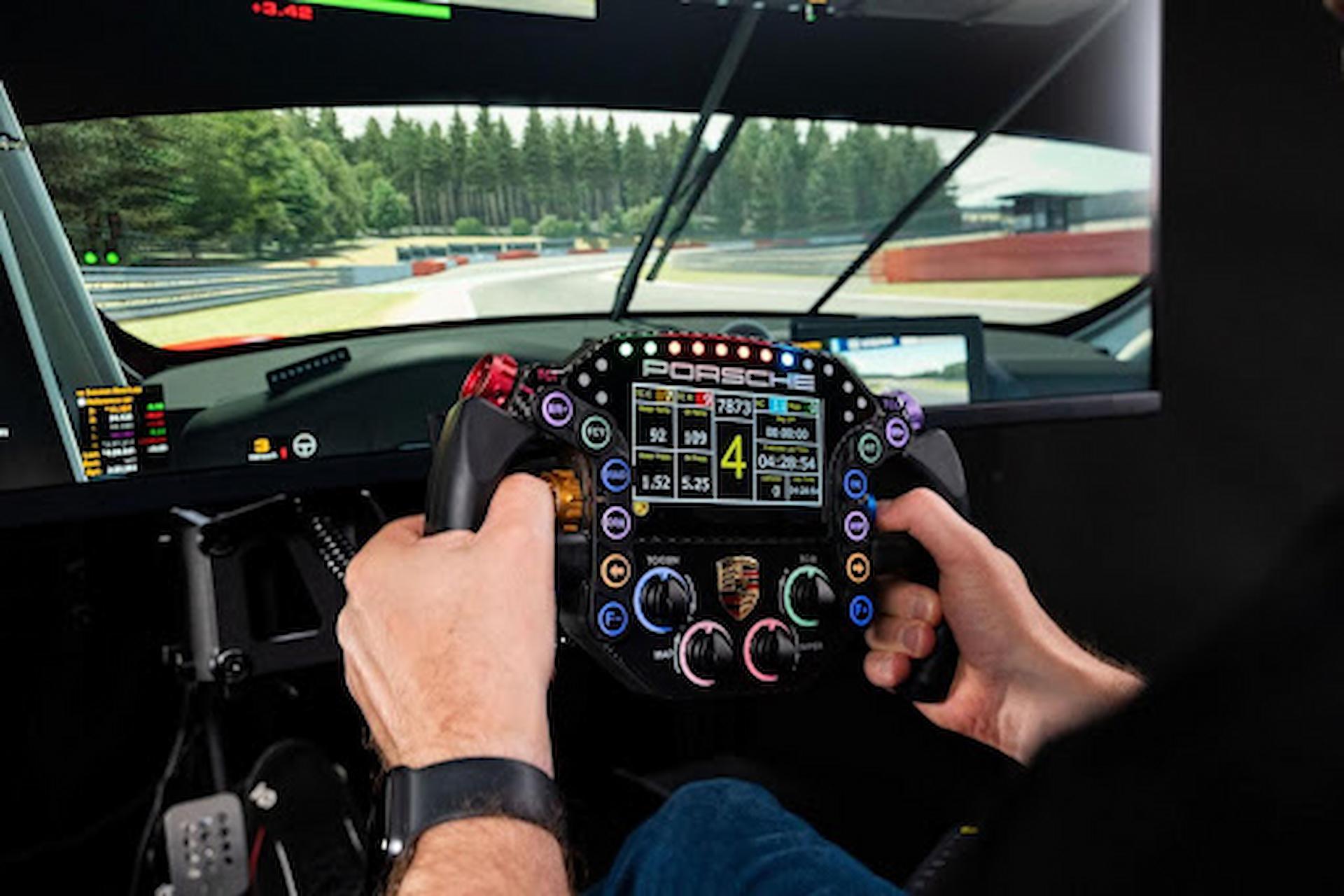
Elevate your sim racing game by mastering the secrets of force feedback. Learn how the right steering wheel can give you the sensory edge to shave seconds off your lap times and dominate the competition.
Feel the rumble strips vibrating through your hands. Sense the subtle loss of grip as you push the car to its limit. In the high-stakes world of sim racing, the line between virtual and reality is constantly blurring, and a quality steering wheel is at the heart of this immersive experience. But a wheel is more than just a controller; its feedback system is a critical tool that directly impacts your performance. Forget simply turning left and right; we’re talking about a conversation between the virtual track and your fingertips. The right force feedback can be the difference between a podium finish and a spinout. For those serious about their setup, understanding the nuances of how a great system, like a Simagic Steering Wheel, translates into real-world lap time improvements is essential.
Beyond the Rumble: Understanding Force Feedback
Force feedback (FFB) is the technology that sends physical sensations from the game directly to your steering wheel. It’s the engine that makes the wheel feel heavy under load, light on a straight, and aggressive over kerbs. But not all FFB is created equal. Cheap systems might rely on simple vibration motors, offering a generic “rumble” that’s more of a distraction than an aid. High-end, direct-drive systems, however, use powerful motors to replicate the exact forces a real-world driver would feel. This is where the magic happens. A strong, responsive motor can communicate tire slip, track surface changes, and chassis dynamics with incredible fidelity.
The Two Pillars of Force Feedback
- Direct-Drive (DD) Wheels: These are the gold standard for sim racing. The wheel is mounted directly to a powerful motor, which provides an uncompromised, unfiltered connection to the game. This means you feel every nuance, every bump, and every change in grip with stunning clarity. The sheer force and speed of a DD wheel’s response can accurately simulate the heavy G-forces of a race car, building muscle memory that’s directly transferable to real-world driving.
- Gear and Belt-Driven Wheels: These systems use either gears or a belt to connect the motor to the steering shaft. While they’re a significant step up from basic controllers, they often suffer from a degree of “dampening” or “notchy” feel. This is due to the mechanical components between your hands and the motor, which can mask subtle feedback cues. They are an excellent starting point for new sim racers, but don’t offer the granular detail required for truly elite performance.
The Sensory Edge: How FFB Improves Lap Times
The Sensory Edge: How FFB Improves Lap Times. A great force feedback system doesn’t just make the game more fun; it makes you a faster, more consistent driver. Here’s how:
- Feel the Grip Limit: The most crucial piece of information FFB provides is tire grip. As you approach the limit of adhesion, the steering wheel will feel lighter. A sound FFB system, like a Simagic Steering Wheel, allows you to feel this subtle change, letting you back off just enough to avoid a spinout without losing valuable speed.
- Track Surface Communication: FFB lets you “read” the track. You can feel the change from a smooth asphalt surface to a bumpy patch, or the varying texture of different kerbs. This helps you adjust your driving line and braking points with greater precision.
- Dynamic Weight Transfer: As you brake, accelerate, and turn, the car’s weight shifts. FFB can simulate this sensation, making the wheel feel heavier as you load up the outside tire in a corner, or lighter when the front end is unsettled. This sensory input helps you manage the car’s balance more effectively.
- Catching Slides: A direct-drive wheel’s ability to quickly and accurately send information to your hands is invaluable for catching slides. The instant you feel the rear end stepping out, the wheel will turn in the direction of the slide, giving you precious milliseconds to counter-steer and save the car.
Actionable Tips for Optimising Your FFB
Getting the most out of your steering wheel isn’t just about plugging it in. It requires careful calibration and understanding.
- Turn Off Canned Effects: Many racing games include “canned” or artificial effects like strong vibrations for collisions or generic rumbles for certain surfaces. While these can add to the drama, they often muddy the genuine force feedback signals. To get a purer, more informative feel, it’s usually best to disable or minimise these effects in your game’s settings.
- Balance the Force: A common mistake is setting the force feedback strength too high. A wheel that’s constantly clipping (hitting its maximum force output) will lose all subtle detail. Instead, aim for a setting where you can feel the full range of forces, from the lightest sensations on a straight to the heaviest in a corner, without the wheel constantly maxing out.
- Check for Firmware and Software Updates: Manufacturers like Simagic regularly release firmware updates to improve the performance and fidelity of their wheels. Always ensure you’re running the latest software for the best experience and most accurate feedback.
A Real-World Example: The Sensation of a Rally Stage
Imagine driving a rally car on a gravel stage. The track is constantly changing, with loose rocks, deep ruts, and slippery patches. A low-end wheel would offer a constant, generic vibration, giving you little helpful information. However, with a high-fidelity FFB system, you would feel:
- The rapid, high-frequency vibrations of gravel under the tires.
- The sudden lighting of the wheel as you hit a patch of loose sand.
- The jolt and resistance as you climb out of a deep rut.
- The precise moment of traction loss as you power out of a turn.
This sensory input is what allows a driver to adapt instantly to the ever-changing conditions, making minute corrections that prevent a catastrophic off-track excursion. The difference in confidence and control is immeasurable.
The Final Verdict
Steering wheel feedback isn’t a gimmick; it’s a vital communication tool that connects you to the virtual car and track. Investing in a quality force feedback system—especially a direct-drive model—is the single most impactful upgrade a serious sim racer can make. It transforms a game into a driving simulation, building genuine skills and elevating your performance to a level that simply isn’t possible with a lesser setup. By understanding and optimising this feedback, you’re not just playing a game; you’re developing the instincts and muscle memory of a professional driver. For the ultimate in precision and immersion, a quality simagic steering wheel is the key to unlocking your true potential on the virtual asphalt.
