

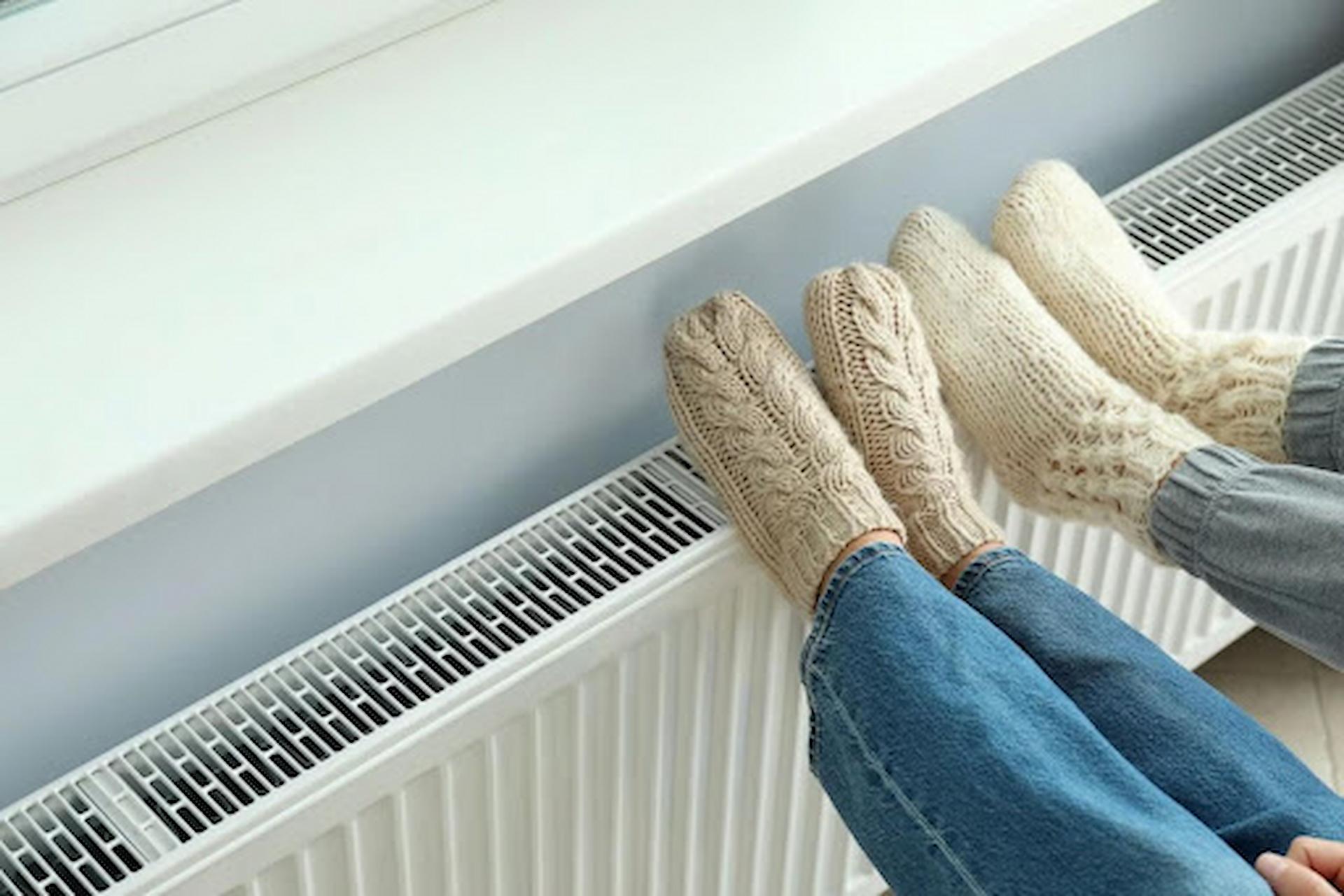
Keeping your designer radiator in top shape doesn’t just enhance your home’s look—it also improves heating efficiency and extends its lifespan. With a few simple cleaning habits and regular maintenance, you can prevent costly repairs and maintain its elegant finish for years. Here’s how to care for your designer radiator properly.
Designer radiators are more than just heat sources—they’re statement pieces that add sophistication to your space. But like any high-quality fixture, they need care to stay efficient and visually appealing. Regular cleaning and basic maintenance go a long way in ensuring they perform flawlessly for years to come.
If you’re looking to replace or upgrade your current unit, you may also need a new radiator suited to your interior and energy requirements.
Why Maintenance Matters
A clean and well-maintained radiator doesn’t just look good—it works better. Dust, grime, and trapped air can significantly reduce heat output, forcing the system to use more energy. Over time, this leads to higher bills and potential damage. According to the Energy Saving Trust, even a small layer of dust can reduce a radiator’s efficiency by up to 10%.
Regular upkeep ensures:
- Steady heat distribution throughout your home.
- Reduced energy costs.
- Longer lifespan and fewer breakdowns.
- Preservation of your radiator’s aesthetic appeal.
Step-by-Step Cleaning Guide
1. Turn Off and Cool Down
Before you begin, ensure your radiator is switched off and cool. Cleaning a hot radiator not only risks burns but can also damage its finish.
2. Dust the Surface
Use a microfibre cloth or a soft duster to gently remove dust from the exterior. For designer radiators with intricate shapes or vertical bars, a radiator brush can reach tight spots effectively.
3. Clean Between Fins and Panels
Dust and lint often gather between the radiator fins, reducing airflow. Slide a long, flexible duster or use a vacuum cleaner attachment to reach between gaps.
4. Wash Gently
Mix mild dish soap with warm water and use a soft sponge to wipe the radiator surface. Avoid abrasive cleaners or scouring pads—they can scratch the finish. Wipe dry immediately with a clean towel to prevent watermarks.
5. Polish for Shine
If your designer radiator is chrome or stainless steel, apply a small amount of polish using a soft cloth for a brilliant, streak-free shine.
Preventive Maintenance Tips
Simple preventive steps can help avoid issues that shorten your radiator’s life.
1. Bleed Your Radiators Regularly
Over time, air can become trapped inside, causing cold spots and uneven heating. Use a radiator key to release trapped air until water starts to flow evenly. This ensures maximum heat efficiency.
2. Inspect for Leaks and Rust
Check joints, valves, and pipe connections occasionally for signs of rust or moisture. A minor leak can escalate into major damage if ignored. Wipe any condensation immediately and ensure the area stays dry.
3. Protect the Paintwork
If your designer radiator is painted, use a gentle cleaning product designed for painted metal. Avoid bleach or ammonia-based sprays that can cause discolouration.
4. Don’t Block the Radiator
Keep furniture or curtains away from your radiator. Obstructions can trap heat, reducing efficiency and causing unnecessary strain on the system.
5. Annual Professional Servicing
Even with regular care, it’s wise to have your heating system professionally serviced once a year. Technicians can check for internal corrosion, pressure issues, and other technical problems early.
Common Mistakes to Avoid
Many homeowners unknowingly shorten their radiator’s lifespan by skipping basic maintenance. Here are some pitfalls to steer clear of:
- Using harsh chemicals that corrode or dull the surface.
- Neglecting to bleed radiators, which traps air and lowers efficiency.
- Painting without proper preparation, leading to peeling and poor heat transfer.
- Ignoring strange noises—often a sign of trapped air or sediment buildup.
Signs You Might Need a New Radiator
Even with diligent care, radiators don’t last forever. If yours struggles to heat evenly, leaks frequently, or emits unusual noises, it may be time for a replacement. Modern designs are more energy-efficient and come in a variety of finishes that elevate your interiors.
When you need a new radiator, consider size, heat output, and design compatibility with your existing décor. A professional installer can assess your heating needs and recommend the ideal option for your home.
Quick Care Checklist
To keep your designer radiator in prime condition, remember these essentials:
- Wipe dust weekly to prevent buildup.
- Bleed radiators every few months.
- Inspect for leaks or rust regularly.
- Schedule professional servicing annually.
- Keep the area around radiators clear.
Final Thoughts
Maintaining your designer radiator isn’t complicated—it’s about consistency. Regular cleaning, timely bleeding, and mindful use can extend its life while ensuring steady warmth and style. Treat your radiator as both a functional appliance and a design investment; the attention you give today ensures lasting comfort tomorrow.
If your unit is showing signs of age or inefficiency, it may be time to evaluate whether you need a new radiator to match your home’s evolving heating needs.
