

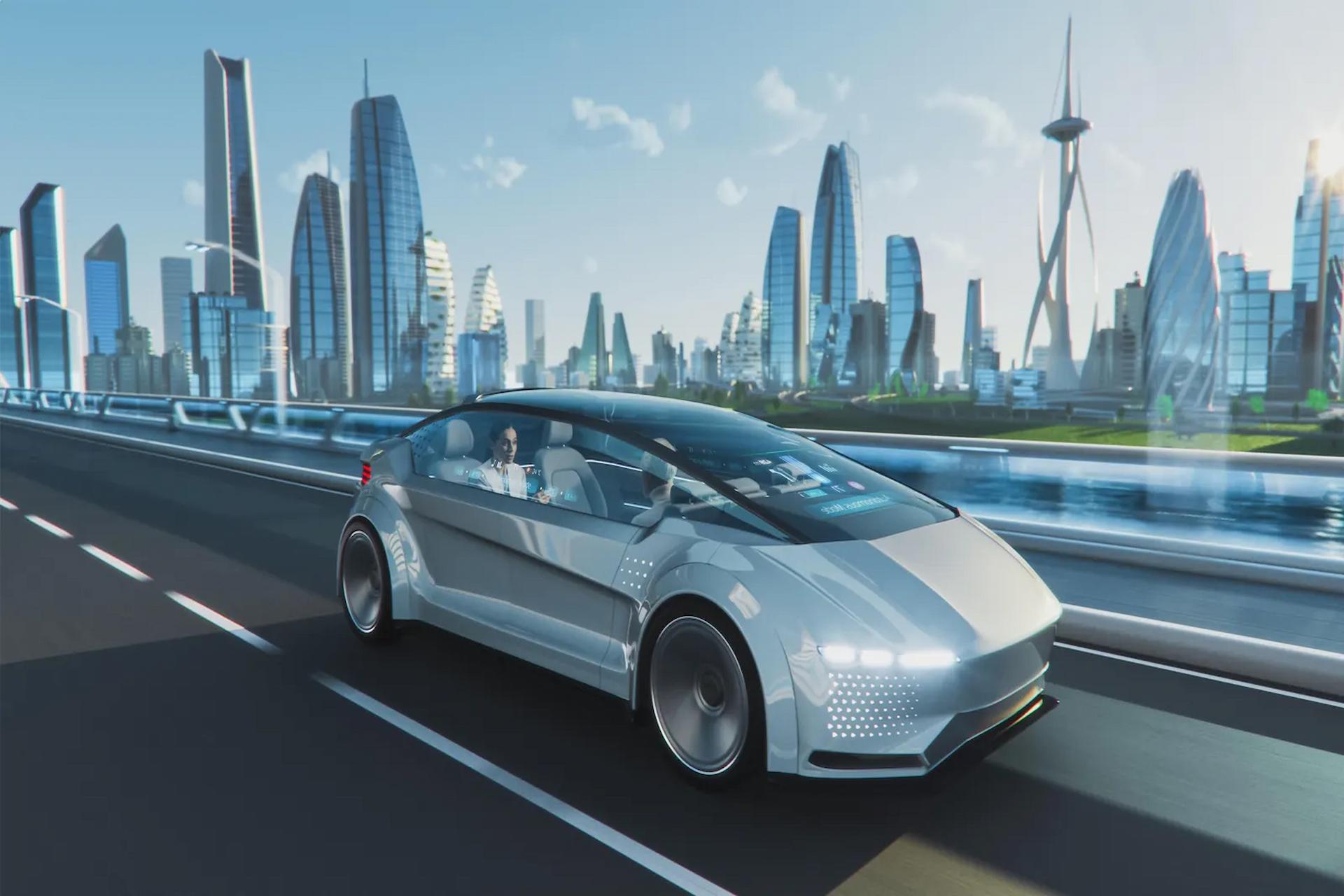
The automotive world is shifting faster than ever. New technology is reshaping how cars move, think, and adapt to everyday roads. From electric power to intelligent safety systems, the future promises smoother drives, safer journeys, and smarter vehicles. Here is a clear look at the innovations transforming your next car.
The automotive industry is stepping into a new era. Cars are becoming smarter, cleaner, and more connected. Every year brings fresh innovation designed to make driving easier, safer, and more efficient. These changes are not just upgrades; they are shaping the future of personal mobility. As new ideas turn into reality, your next car will be more advanced than any vehicle before it.
In this article, we explore the major technologies taking centre stage. Each section highlights how these features work, why they matter, and what they mean for everyday drivers. The aim is to give you a simple, clear look at the future of driving.
1. Electric Power: The Shift to a Cleaner Drive
Electric vehicles are moving from niche to normal. Drivers are choosing them for lower running costs, smooth performance, and a quieter ride. Most importantly, they offer an eco-friendly alternative to fuel-powered engines.
Why Electric Cars Matter
- No exhaust fumes
- Lower fuel expenses
- Less noise and vibration
- Easy home charging
Battery technology is improving quickly. Modern models now travel longer distances on a single charge. Charging stations are expanding, making long trips easier. Many governments also support EV ownership with incentives, making them more attractive.
The Next Step: Faster Charging
New batteries are charging much faster than older models. Some can reach 80% power in under 30 minutes. This reduces waiting time and makes electric cars even more practical for daily use.
2. Autonomous Features: Cars That Assist Your Every Move
Self-driving technology is developing step by step. While fully driverless cars are still a work in progress, many advanced features already help with daily driving.
Popular Features Today
- Lane-keeping assistance
- Smart cruise control
- Automatic braking
- Traffic sign recognition
These tools rely on sensors and cameras placed around the vehicle. They scan the environment, detect risks, and respond quickly to keep the car stable and safe.
What’s Coming Next
Future models will handle more complex tasks such as heavy-traffic navigation, automatic parking on narrow streets, and improved highway cruising. These features help reduce driver fatigue and improve safety.
3. Connected Cars: Vehicles That Communicate
Connectivity is becoming a standard feature. Cars now talk to smartphones, navigation systems, and even each other. This helps drivers stay informed and enjoy a smoother experience.
How Connected Cars Help
- Real-time traffic updates
- Seamless navigation
- Remote control via apps
- Predictive maintenance alerts
Imagine your car reminding you to service the brakes before they start causing a problem. Or sending an alert when fuel or battery levels drop too low. This level of smart monitoring improves reliability and reduces unexpected repair costs.
The Future of Connectivity
Cars will soon communicate with traffic systems, road signals, and nearby vehicles. This will reduce accidents, ease congestion, and make driving more efficient.
4. Safety Enhancements: Protection With Intelligence
Safety remains a top priority. New vehicles now include systems that detect danger earlier than the human eye can. These features help prevent accidents and protect passengers.
Leading Safety Features
- Blind spot alerts
- Collision avoidance systems
- Driver drowsiness warnings
- Night vision assistance
These tools respond in real time and activate instantly. They support the driver when attention drifts or visibility drops. As technology improves, cars will offer even stronger protection.
5. Enhanced Comfort: Smarter Interiors for Better Driving
The inside of the car is becoming a smarter space. Designers focus on comfort, ease of use, and personalisation. Drivers can control most functions with touchscreens, voice commands, or simple gestures.
Interior Innovations
- Voice-controlled climate and media
- Digital dashboards
- Customisable seating positions
- Wireless charging pads
In future models, cars will adapt to personal routines. They will adjust seat positions, play preferred music, and set the ideal cabin temperature before the journey begins.
6. Eco-Friendly Materials: Sustainable Design for the Road Ahead
Manufacturers are using greener materials to build cars. These include recycled plastics, natural fibres, and lightweight metals. Lighter cars use less energy, improving both performance and efficiency.
Why This Matters
- Lower carbon footprint
- shaping the future of vehicle performance
- Reduced waste
- Better long-term sustainability
This trend reflects consumer demand for environmentally responsible products.
7. Smart Navigation: Advanced Tools for Stress-Free Travel
Navigation systems are now more accurate than ever. They offer real-time updates, rerouting, and warnings about hazards ahead.
Current Navigation Innovations
- Live traffic tracking
- AI-based route planning
- Hazard alerts
- Parking assistance
Future systems will become even smarter. They will guide you through the safest route based on weather, road conditions, and traffic density.
8. Over-the-Air Updates: Cars That Improve Over Time
In the past, software updates required a visit to the service centre. Today, many automotive car brands offer over-the-air updates. These improvements arrive automatically, just like smartphone upgrades.
Benefits of Over-the-Air Updates
- New features added without delay
- Improved safety systems
- Better performance tuning
- Lower maintenance costs
These updates keep your vehicle current, safe, and efficient.
9. Personalised Driving Experiences
Cars are learning to adapt to each driver. They recognise habits, preferences, and patterns.
Personalisation Features
- Preferred seat and mirror positions
- Custom drive modes
- Predictive navigation
- Individual driver profiles
This creates a more comfortable and tailored experience, making each journey more enjoyable.
FAQs
1. What new technology will most affect future cars?
Electric power and autonomous features will be the biggest influences on upcoming vehicles. These innovations are improving quickly and shaping how people will drive in the next decade. They offer cleaner energy, safer journeys, and more comfortable experiences for everyday drivers.
2. Will electric cars become cheaper?
Prices are likely to drop as battery production scales up and technology becomes more common. Many governments also offer incentives to make EVs more affordable. This combination will help more drivers switch to electric models over time.
3. Are self-driving cars safe?
Current autonomous features are designed to support the driver, not replace them. They improve safety by reacting quickly to risks. As technology advances, safety levels will keep rising, with more precise sensors and improved software.
4. How do connected cars improve driving?
Connected cars provide real-time updates, monitor vehicle health, and help avoid traffic. They can send alerts when parts need servicing and offer improved navigation. This makes daily driving smoother, safer, and more predictable.
5. Do future cars need frequent updates?
Over-the-air updates make it easy to keep cars current. These updates enhance performance, fix issues, and add new features without visiting a service centre. This keeps the vehicle running smoothly and safely.
Conclusion
The future of automotive technology is bright. Cars are getting cleaner, smarter, safer, and more personalised. These innovations are reshaping the driving experience for everyone. As electric power grows, autonomous systems advance, and connectivity improves, your next car will be more capable than ever. This new era promises a smoother, safer, and more enjoyable journey on every road.
