

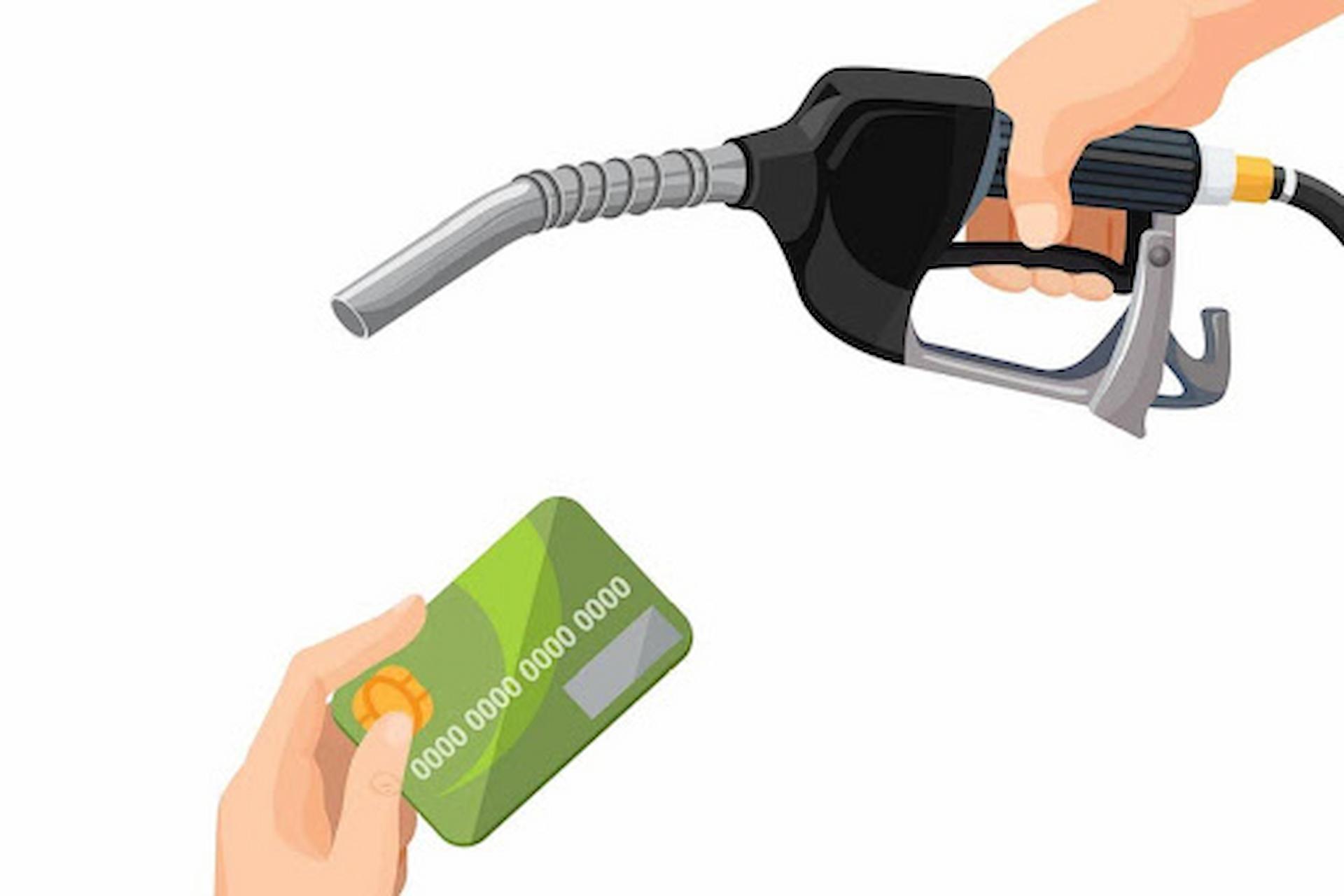
Rising fuel costs and tighter margins are forcing businesses to rethink how they pay for fuel. Fleet fuel cards offer a smarter alternative to cash and receipts, bringing structure, visibility, and control to everyday refuelling. Understanding how they function helps organisations cut waste and manage fuel with confidence.
Fleet Fuel Cards Explained: Their Purpose and Practical Role
Fleet fuel cards are payment cards issued specifically for purchasing fuel and related vehicle expenses. Unlike standard debit or credit cards, they are designed for business use and tied to vehicles, drivers, or both. Their primary purpose is simple: replace fragmented fuel payments with a single, trackable system.
At a functional level, a fleet fuel card acts as a secure authorisation mechanism within wider fuel card management services, ensuring that every refuelling transaction follows predefined rules on fuel type, spending limits, and approved locations. When a driver refuels, the system validates the purchase instantly and records the data automatically. For organisations managing multiple vehicles, this removes the need for cash advances, receipt collection, and manual expense reconciliation.
Modern fuel cards operate as part of structured management platforms that centralise payment settlement, capture transaction data in real time, and transform individual refuelling events into consistent, reviewable records. This model supports tighter cost control and reflects the broader shift toward digital, policy-driven expense management across fleet-based operations.
How the Fuel Card System Works Behind the Scenes
From Card Issue to First Refuelling
Once issued, a fuel card is assigned to a vehicle or driver and configured with usage rules. These rules may include fuel type, daily or monthly spend limits, and approved locations. When the card is used at a participating fuel station, the transaction is authorised in real time.
The payment itself is settled centrally, meaning the business receives a consolidated invoice rather than individual charges. This structure simplifies reconciliation and reduces administrative overhead.
Transaction Data and Automatic Records
Every purchase generates a digital record containing details such as date, location, fuel volume, and cost. This data is stored securely and made available through reporting tools. Instead of chasing receipts, finance teams can review fuel spend through structured reports that align with accounting periods.
According to industry studies, automated fuel reporting can reduce administrative time linked to expense processing by over 50%, particularly for fleets operating at scale.
Control Without Complexity: Built-In Safeguards
Spending Limits and Usage Rules
One of the strongest advantages of fleet fuel cards lies in control. Businesses can define exactly how cards are used, reducing misuse and unauthorised purchases. Limits can be adjusted as operations change, ensuring flexibility without sacrificing oversight.
Reduced Risk Compared to Cash
Cash-based refuelling creates exposure to loss, errors, and misuse. Fuel cards reduce this risk by restricting where and how spending occurs. If a card is lost or compromised, it can be blocked immediately, limiting financial exposure.
These controls form a core component of professional fuel card management services, where visibility and prevention work together to protect operating budgets.
Making Sense of Fuel Spend Through Reporting
Clear Visibility Across the Fleet
Fuel cards turn scattered transactions into a single data stream. This allows businesses to see patterns that are difficult to identify through manual methods, such as unexpected spikes in fuel usage or variations between vehicles.
Supporting Better Decisions
Accurate fuel data supports operational decisions beyond accounting. It can highlight inefficient routes, identify vehicles with higher consumption, or signal maintenance issues. While fuel cards are not diagnostic tools, the insights they provide help managers ask better questions.
By centralising fuel information, organisations move from reactive expense tracking to proactive cost control.
Who Benefits Most From Fleet Fuel Cards?
Fleet fuel cards are commonly associated with large logistics fleets, but their value extends to smaller operations as well. Any organisation running multiple vehicles—whether for deliveries, services, or field operations—can benefit from structured fuel management.
For growing businesses, fuel cards offer scalability. As vehicle numbers increase, the system expands without adding administrative complexity. This makes them a practical solution not only for cost savings, but also for operational readiness.
At the centre of this approach is the integration of payment, data, and policy through fuel card management services, allowing even lean teams to manage fuel efficiently.
Practical Tips for Using Fleet Fuel Cards Effectively
To maximise value from fleet fuel cards, consider the following best practices:
- Set realistic spending limits based on vehicle type and usage patterns to avoid unnecessary declines or over-permissive controls.
- Review reports regularly, not just at month-end, to catch anomalies early.
- Align fuel data with vehicle maintenance schedules to spot efficiency issues sooner.
- Update card rules as operations change, especially when routes, fuel prices, or vehicle types shift.
- Educate drivers clearly on acceptable use to reduce accidental misuse.
These steps ensure fuel cards function as management tools, not just payment methods.
Frequently Asked Questions
What makes fleet fuel cards different from ordinary payment cards?
Fleet fuel cards are designed specifically for vehicle operations, not general spending. They allow businesses to control where, when, and how fuel is purchased, while automatically recording each transaction. This structured approach removes guesswork from fuel expenses and replaces manual tracking with consistent, reliable data.
How do fleet fuel cards actually improve day-to-day operations?
By automating fuel payments and record-keeping, fleet fuel cards reduce paperwork, speed up expense reviews, and eliminate delays caused by missing receipts. Managers gain immediate visibility into fuel usage, making it easier to spot irregular spending and keep vehicles operating within set budgets.
Can fleet fuel cards help prevent fuel misuse?
Yes. Fleet fuel cards include built-in controls that restrict unauthorised purchases. Spending limits, fuel-type restrictions, and location controls ensure cards are used only for approved purposes. If unusual activity appears, it can be reviewed quickly, reducing the risk of ongoing misuse.
Are fleet fuel cards only useful for large fleets?
No. While large fleets benefit significantly, smaller operations also gain value. Even a few vehicles can generate complex fuel expenses over time. Fleet fuel cards simplify management from the start, helping smaller businesses maintain control as they grow.
How does fuel data from fuel cards support better decisions?
Fuel card data highlights patterns in consumption, cost changes, and vehicle performance trends. This insight supports smarter planning, more accurate budgeting, and timely operational adjustments without relying on assumptions or incomplete records.
What role do fuel card management services play in this process?
Fuel card management services connect payment, controls, and reporting into one system. They transform individual refuelling transactions into organised data, giving businesses a clear, ongoing view of fuel spending and helping maintain consistent financial discipline across fleet operations.
Wrap-Up
Fleet fuel cards are no longer just a convenient way to pay for fuel. They represent a shift toward structured, data-driven cost management in vehicle operations. By replacing fragmented payments with controlled, transparent systems, businesses gain clarity over one of their most persistent expenses.
When supported by reliable fuel card management services, organisations can reduce administrative burden, limit financial risk, and build a clearer picture of fleet performance. The result is not only smoother day-to-day operations, but stronger financial discipline over time.
For businesses seeking tighter control without adding complexity, fleet fuel cards offer a practical, scalable foundation. The next step is not simply adopting the card, but using the data and controls it provides to make fuel spending work harder for the organisation.
