

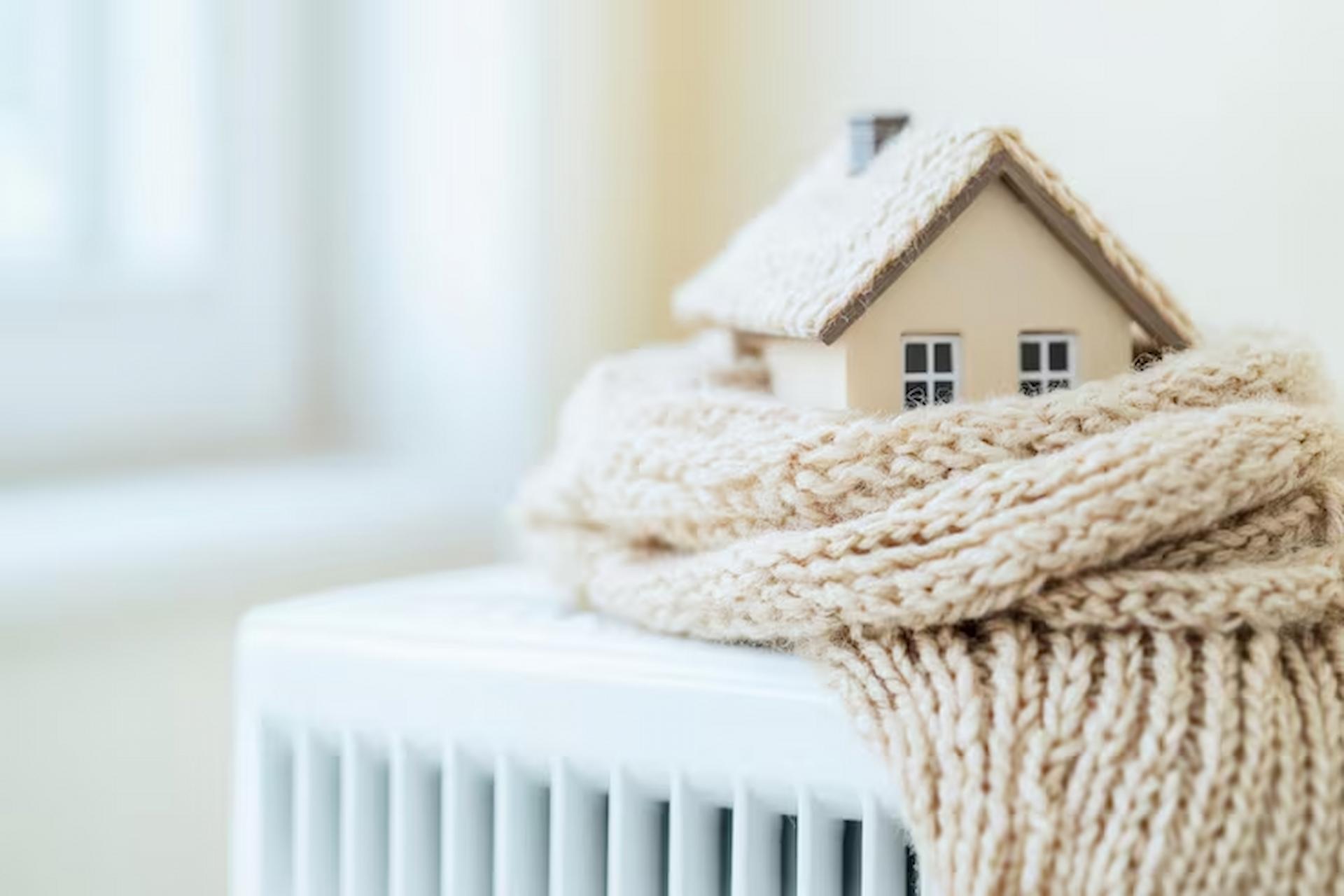
When temperatures drop, a warm and comfortable home becomes essential rather than a luxury. Yet many households struggle with uneven heating, rising energy bills, or systems that simply do not perform as expected. The good news is that maintaining a cosy indoor environment does not always require major upgrades—often, small adjustments can make a noticeable difference.
One of the most effective ways to ensure consistent warmth is through regular heating system service. A well-maintained system operates more efficiently, distributes heat evenly, and reduces the likelihood of unexpected breakdowns during colder months.
Understand How Your Heating System Works
Before making improvements, it helps to understand the basics of your heating system. Whether you rely on a boiler, furnace, or heat pump, each system works by generating heat and distributing it throughout your home via radiators, ducts, or underfloor systems.
Problems often arise when components become dirty, worn, or improperly adjusted. Even small issues, such as blocked vents or incorrect thermostat settings, can significantly impact performance. By understanding how your system functions, you can identify inefficiencies early and address them effectively.
Optimise Your Thermostat Settings
Your thermostat plays a crucial role in maintaining indoor comfort. Many homeowners unknowingly waste energy by setting temperatures too high or leaving heating on when it is not needed.
To improve efficiency:
- Keep your thermostat at a consistent, moderate temperature
- Lower the temperature slightly at night or when you are away
- Consider installing a programmable or smart thermostat
Smart thermostats, in particular, allow you to control heating remotely and adjust settings based on your daily routine. This ensures comfort while reducing unnecessary energy consumption.
Seal Draughts and Improve Insulation
Heat loss is one of the biggest challenges in maintaining a warm home. Even the most efficient heating system will struggle if warm air escapes through gaps and poorly insulated areas.
Focus on these common problem spots:
- Windows and doors
- Loft spaces
- Floorboards and skirting areas
- Chimneys and unused vents
Simple fixes such as draught excluders, weather stripping, and proper insulation can significantly reduce heat loss. This not only keeps your home warmer but also lowers heating costs over time.
Maintain Radiators and Vents
Radiators and vents are responsible for distributing heat throughout your home. If they are not functioning properly, certain rooms may feel colder than others.
Key maintenance tips include:
- Bleed radiators to remove trapped air
- Ensure furniture does not block heat sources
- Clean vents and ducts regularly
- Check for cold spots on radiators
Blocked or inefficient radiators can reduce the overall effectiveness of your heating system, forcing it to work harder than necessary.
Use Curtains and Blinds Strategically
Curtains and blinds are often overlooked, yet they can play a vital role in heat retention. Thick curtains help trap warmth inside, especially during the night when temperatures drop.
For best results:
- Close curtains in the evening to prevent heat loss
- Open them during the day to let sunlight naturally warm your home
- Use thermal-lined curtains for added insulation
This simple habit can make a noticeable difference without any additional cost.
Schedule Regular System Checks
Routine maintenance is essential for keeping your heating system in good condition. Over time, components can wear out, filters can become clogged, and efficiency can decline.
Arranging periodic inspections ensures that potential issues are identified early. Professional servicing helps:
- Improve system efficiency
- Extend the lifespan of equipment
- Reduce the risk of breakdowns
- Maintain consistent heating performance
Neglecting maintenance often leads to higher repair costs and reduced comfort during colder months.
Upgrade When Necessary
While maintenance can address many issues, older systems may eventually become inefficient or unreliable. If your heating system is over 10–15 years old, it may be worth considering an upgrade.
Modern systems are designed with energy efficiency in mind, offering better performance and lower operating costs. Although the initial investment can be higher, long-term savings and improved comfort often justify the expense.
Small Habits That Make a Big Difference
In addition to system maintenance, everyday habits can influence how warm your home feels. Consider adopting these simple practices:
- Keep internal doors closed to retain heat in occupied rooms
- Use rugs on hard floors to reduce heat loss
- Layer clothing instead of relying solely on heating
- Avoid drying clothes on radiators, as this can block heat flow
These small adjustments, when combined, can significantly improve overall comfort.
Conclusion
Keeping your home warm does not always require complex solutions. By understanding your heating system, improving insulation, and adopting practical habits, you can create a comfortable indoor environment throughout the colder months.
Regular maintenance remains one of the most important factors in ensuring consistent performance. When your system is well cared for, it not only keeps your home warm but also operates more efficiently and reliably. With the right approach, you can enjoy both comfort and energy savings without unnecessary effort.
