

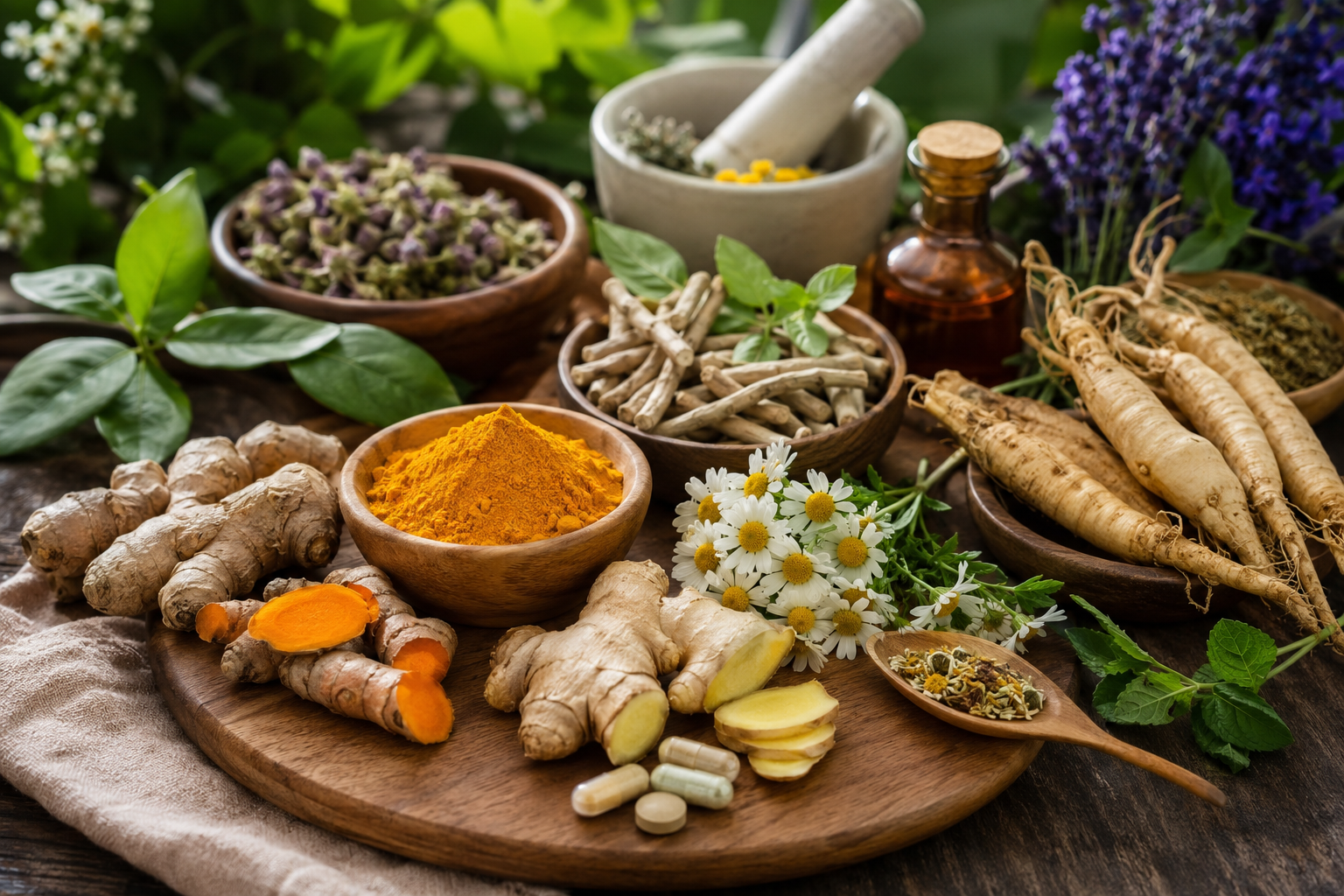
Modern wellness trends continue to shift toward natural solutions as more people look for balanced ways to support their physical and mental well-being. From herbal teas for relaxation to plant-based supplements for energy and focus, traditional remedies are becoming part of everyday routines around the world. Many people are now exploring how natural ingredients can complement healthy lifestyles without relying entirely on synthetic products.
This growing interest is not entirely new. Herbal wellness practices have existed for centuries across cultures in India, China, and other regions where plants and herbs were traditionally used to support sleep, digestion, immunity, and stress management. What has changed is the modern approach to understanding these remedies, grounded in research, quality standards, and informed health choices. Today, herbal supplements sit at the intersection of traditional knowledge and contemporary wellness habits.
Why Herbal Supplements Continue to Grow in Popularity
One reason herbal supplements remain popular is their connection to preventative wellness. Many people are no longer waiting until health problems become serious before paying attention to their routines. Instead, they are focusing on habits that may support long-term balance and overall vitality.
Herbal supplements are often used alongside healthy eating, regular exercise, sleep management, and mindfulness practices. Rather than acting as instant solutions, they are commonly viewed as supportive tools within a broader lifestyle approach. This realistic perspective helps consumers make more thoughtful decisions and avoid exaggerated expectations.
Another major factor is accessibility. Herbal products are now widely available in capsules, powders, teas, oils, and gummies, making them easier to incorporate into busy daily schedules. At the same time, increased awareness of ingredient transparency and product sourcing has encouraged people to be more selective in the supplements they choose.
Common Herbal Supplements and Their Traditional Uses
Turmeric
Turmeric has become one of the most recognized herbal ingredients in modern wellness discussions. Traditionally used in Ayurvedic practices, turmeric contains curcumin, a naturally occurring compound associated with antioxidant properties. Many people include turmeric supplements or turmeric tea in their routines to support joint comfort and general wellness.
Turmeric is also commonly paired with black pepper because piperine may help improve curcumin absorption. While turmeric continues to gain attention in health conversations, experts generally recommend using it as part of a balanced lifestyle rather than viewing it as a standalone remedy.
Ashwagandha
Ashwagandha is often discussed in relation to stress management and relaxation. Classified as an adaptogenic herb, it has been traditionally used to help the body respond to physical and emotional stressors. Modern wellness consumers frequently turn to ashwagandha supplements to support calmness, focus, and sleep quality.
Its popularity has increased significantly in recent years as conversations about burnout, anxiety, and work-life balance have grown. However, quality and dosage remain important considerations, especially because herbal supplements can vary widely between manufacturers.
Ginger
Ginger has long been valued for digestive support and overall comfort. It is commonly consumed in teas, wellness shots, supplements, and cooking. Many people use ginger to ease occasional digestive discomfort or support healthy digestion after meals.
Its versatility also contributes to its popularity. Ginger can easily become part of everyday routines through natural food choices rather than supplements alone, making it accessible for a wide range of lifestyles.
Chamomile
Chamomile is strongly associated with relaxation and bedtime routines. Often consumed as tea, chamomile is popular among people seeking gentle ways to unwind after stressful days. Its calming reputation has made it a staple in many evening wellness rituals.
As sleep quality becomes a growing concern in modern life, simple habits such as reducing screen time, maintaining a consistent sleep schedule, and incorporating calming herbal beverages continue to attract interest among wellness-conscious consumers.
Ginseng
Ginseng is commonly linked to energy, focus, and vitality. Traditional practices in East Asia have used ginseng for generations, and modern supplements often market it toward individuals looking to maintain mental clarity and reduce fatigue.
Different varieties of ginseng may have varying effects, which highlights the importance of understanding ingredients before adding them to a wellness routine. Reading labels carefully and purchasing from reputable manufacturers can help consumers make more informed choices.
The Importance of Quality and Safety
Not all herbal supplements are created equally. Product quality can vary significantly depending on sourcing, processing methods, ingredient purity, and manufacturing standards. This is why consumers are increasingly paying attention to third-party testing, certifications, and transparent labeling.
It is also important to understand that “natural” does not automatically mean risk-free. Some herbs may interact with medications or be unsuitable for certain health conditions. Pregnant individuals, people with chronic illnesses, and those taking prescription medication should consult qualified healthcare professionals before starting new supplements.
Responsible wellness practices rely on informed decisions rather than trends alone. Reading ingredient lists, understanding dosage recommendations, and researching reputable brands all contribute to safer supplement use.
Herbal Supplements Work Best Alongside Healthy Habits
One of the biggest misconceptions surrounding herbal wellness is the idea that supplements alone can solve complex health concerns. In reality, long-term well-being is usually shaped by consistent daily habits.
Herbal supplements may complement routines that already include:
- Balanced nutrition
- Regular physical activity
- Adequate hydration
- Stress management practices
- Consistent sleep patterns
- Reduced alcohol and processed food intake
When viewed as supportive additions rather than miracle solutions, herbal supplements fit more realistically into sustainable wellness lifestyles.
The Future of Natural Wellness
The future of herbal wellness will likely continue blending traditional knowledge with scientific research. Consumers are becoming more educated, more selective, and more interested in understanding how ingredients function within the body. This shift is encouraging wellness brands to focus on transparency, evidence-based information, and responsible marketing.
At the same time, people are increasingly recognizing that wellness is deeply personal. What works well for one person may not work the same way for another. This understanding encourages a more balanced and thoughtful approach to self-care.
Natural wellness practices are unlikely to disappear because they connect modern lifestyles with long-standing traditions centered on balance, prevention, and mindful living.
Conclusion
Herbal supplements continue to play an important role in modern wellness conversations because they offer approachable ways to support healthier lifestyles and daily routines. Ingredients such as turmeric, ashwagandha, ginger, chamomile, and ginseng remain popular not only because of tradition but also because many people value more natural approaches to stress management, digestion, sleep, and overall well-being.
However, meaningful wellness rarely comes from a single product. Long-term health is built through consistent habits, informed choices, and realistic expectations. By focusing on quality, safety, and balance, consumers can explore herbal wellness thoughtfully while creating routines that support both physical and mental well-being over time.
