

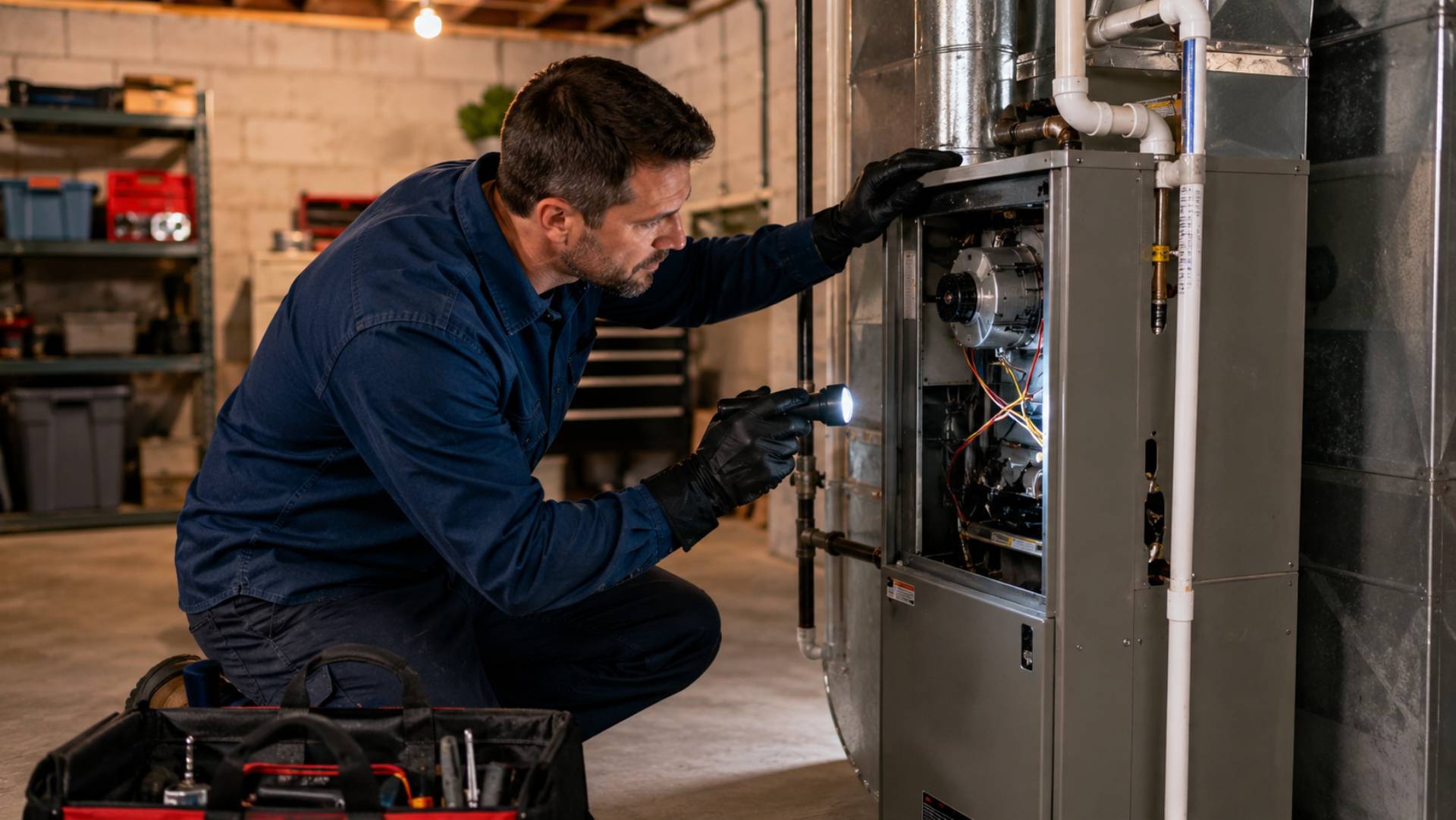
The first cold morning of the season is not the best time to discover that your heating system isn’t ready. A furnace or heat pump that has been sitting relatively unused for months may develop problems that aren’t obvious until you need it most. Checking your system early and arranging heating help in Brigham City, UT when something seems unusual can help you address problems before colder weather puts the equipment under greater demand.
Heating problems don’t always begin with a complete breakdown. In many cases, the system provides smaller warning signs first. A strange sound, uneven temperatures, frequent cycling, or a noticeable increase in energy use can all suggest that your equipment needs attention.
Don’t Wait for the First Freezing Morning
A heating system that worked normally last winter isn’t guaranteed to perform the same way this year. Components can wear down while equipment sits unused, and small issues can become more noticeable once the system begins operating regularly.
Before temperatures drop, turn the heating system on and give it enough time to complete a normal cycle. Pay attention to how it starts, how the air feels coming from the vents, and whether the system shuts down normally.
This simple test can reveal changes that might otherwise go unnoticed. If the system produces unusual sounds, smells, or inconsistent heat, don’t assume the problem will disappear once the equipment has been running for a few days.
Uneven Heating Is an Early Clue
One room feeling slightly different from another isn’t always a sign of a serious problem. However, significant or persistent temperature differences deserve attention.
A bedroom that remains cold while the rest of the house is comfortable could be affected by blocked vents, ductwork problems, inadequate insulation, or airflow restrictions. In some cases, the HVAC equipment itself may not be distributing heat effectively.
Watch for these changes
- Cold rooms that stay cold: If the same areas consistently fail to reach the desired temperature, the problem may involve airflow or insulation rather than the thermostat.
- Weak airflow: A noticeable reduction in air coming from certain vents can indicate a restriction or ductwork issue.
- Temperature swings: Frequent changes between overly warm and cold conditions may point to thermostat, airflow, or equipment problems.
The important thing is to notice whether the problem is consistent. A temporary difference on an unusually cold day is different from a pattern that continues throughout the heating season.
Listen to What Your Heating System Is Telling You
Every heating system has its own normal operating sounds. Once you’re familiar with those sounds, a sudden change can be an important clue.
A new rattling, banging, squealing, grinding, buzzing, or clicking sound shouldn’t automatically be dismissed as normal. The exact cause depends on the type of system and the component involved. A loose part, worn motor, airflow problem, or electrical issue can all produce unusual sounds.
You don’t need to diagnose the sound yourself. Simply noting when it occurs and whether it happens during startup, operation, or shutdown can provide useful information for a professional.
Frequent On-and-Off Cycling Can Mean Trouble
A heating system should operate in normal cycles based on the temperature in the home. If it turns on and off repeatedly over short periods, something may be interfering with normal operation. This behavior is often called short cycling. Possible causes include thermostat problems, restricted airflow, equipment sizing, overheating protection, or mechanical issues.
Short cycling can affect comfort because the system may not run long enough to distribute heat evenly. It can also increase the number of times certain components start and stop. If you notice this pattern repeatedly, don’t simply increase or decrease the thermostat setting in an attempt to correct it. The cause should be identified.
Your Energy Bill May Reveal a Change
Energy use naturally changes with the weather. A colder winter will usually require more heating than a mild one. However, if your heating costs increase noticeably without a similar change in outdoor temperatures or household habits, your system’s performance may be worth checking.
A heating system that has become less efficient may need to operate for longer periods to maintain the same indoor temperature. Several factors can contribute to higher energy use, including dirty filters, airflow restrictions, ductwork problems, aging equipment, or a developing mechanical issue. Look for a pattern rather than judging the system based on one bill.
Pay Attention to Unusual Odors
A heating system may produce a temporary smell when it is first turned on after a long period of inactivity. Dust that has settled inside the system can sometimes create a brief odor. However, persistent or unusual smells shouldn’t be ignored.
A burning smell, strong electrical odor, or other unfamiliar scent can indicate a problem that requires attention. If you notice a strong or concerning odor, especially alongside unusual system behavior, turn the equipment off if it is safe to do so and seek professional assistance.
Never ignore a suspected gas leak. If you smell gas, leave the area and follow appropriate emergency procedures rather than attempting to investigate the heating equipment yourself.
A Dirty Filter Can Reduce Heating Performance
Your HVAC filter has a straightforward job, but its condition can affect system performance. As dust and debris build up, airflow can become restricted. Restricted airflow may make it harder for the system to distribute heated air throughout the home. In some systems, it can also contribute to overheating or other operational problems. Check the filter before the heating season begins and replace or clean it according to the manufacturer’s instructions.
Homes with pets, higher dust levels, or renovation activity may need more frequent filter maintenance. A new filter won’t correct every heating problem, but it is one of the simplest maintenance steps homeowners can take.
Don’t Ignore Electrical Warning Signs
Heating equipment depends on electrical components to operate. If breakers begin tripping repeatedly, switches become unusually warm, or you notice buzzing around electrical equipment, don’t treat these symptoms as routine.
Repeated breaker trips can have several causes, and continually resetting the breaker isn’t a substitute for identifying the problem. Electrical components inside HVAC equipment should be handled by qualified professionals. Attempting to repair them without the proper training can create serious safety risks.
Your Thermostat Could Be Part of the Problem
Sometimes the heating equipment is operating correctly, but the thermostat isn’t communicating properly with the system. A thermostat that displays inaccurate temperatures, fails to respond to adjustments, or causes unusual cycling may need attention.
Thermostat location can also influence comfort. If it’s positioned near a draft, direct sunlight, or another heat source, its reading may not accurately represent conditions throughout the home. Before replacing the thermostat, however, it’s useful to determine whether the issue is actually with the thermostat or another part of the system.
What to Check Before Calling for Service
A few basic observations can help you understand what is happening with your heating system.
- Check the HVAC filter and replace it if necessary.
- Make sure vents and registers aren’t blocked.
- Test the thermostat and confirm that it responds normally.
- Listen for unusual sounds when the system starts and stops.
- Pay attention to unusual odors or repeated cycling.
These checks are useful for basic maintenance, but they aren’t a substitute for professional diagnosis when the system is behaving abnormally.
When Professional Heating Service Is the Better Choice
If your heating system has persistent problems, it’s better to address them before the weather becomes severely cold. Professional service can help identify issues involving airflow, ductwork, electrical components, motors, controls, thermostats, or other parts of the heating system.
Early attention may also give homeowners more choices. A repair may be enough to restore normal operation, while an older system with repeated problems may eventually make replacement worth considering. The important thing is to understand the condition of the equipment before you’re relying on it every day.
Get Ready Before the Temperature Drops
Winter preparation doesn’t have to involve a complicated checklist. Start by running your heating system before you need it regularly and pay attention to anything that seems different from last season. Unusual noises, weak airflow, uneven heating, repeated cycling, strange odors, and unexplained increases in energy use are all reasons to take a closer look. Addressing these warning signs early can help reduce the chance of an unexpected heating problem during the coldest part of the year.
Final Thoughts
Your heating system often gives you clues before a major failure occurs. Paying attention to those clues can make winter preparation much easier. A clean filter, clear vents, and a responsive thermostat are good starting points. If the system continues to behave differently from normal, professional evaluation can help identify the cause and determine the appropriate next step. Getting the heating system checked before winter is fully underway gives you a better chance of entering the colder months with reliable, consistent indoor comfort.
