

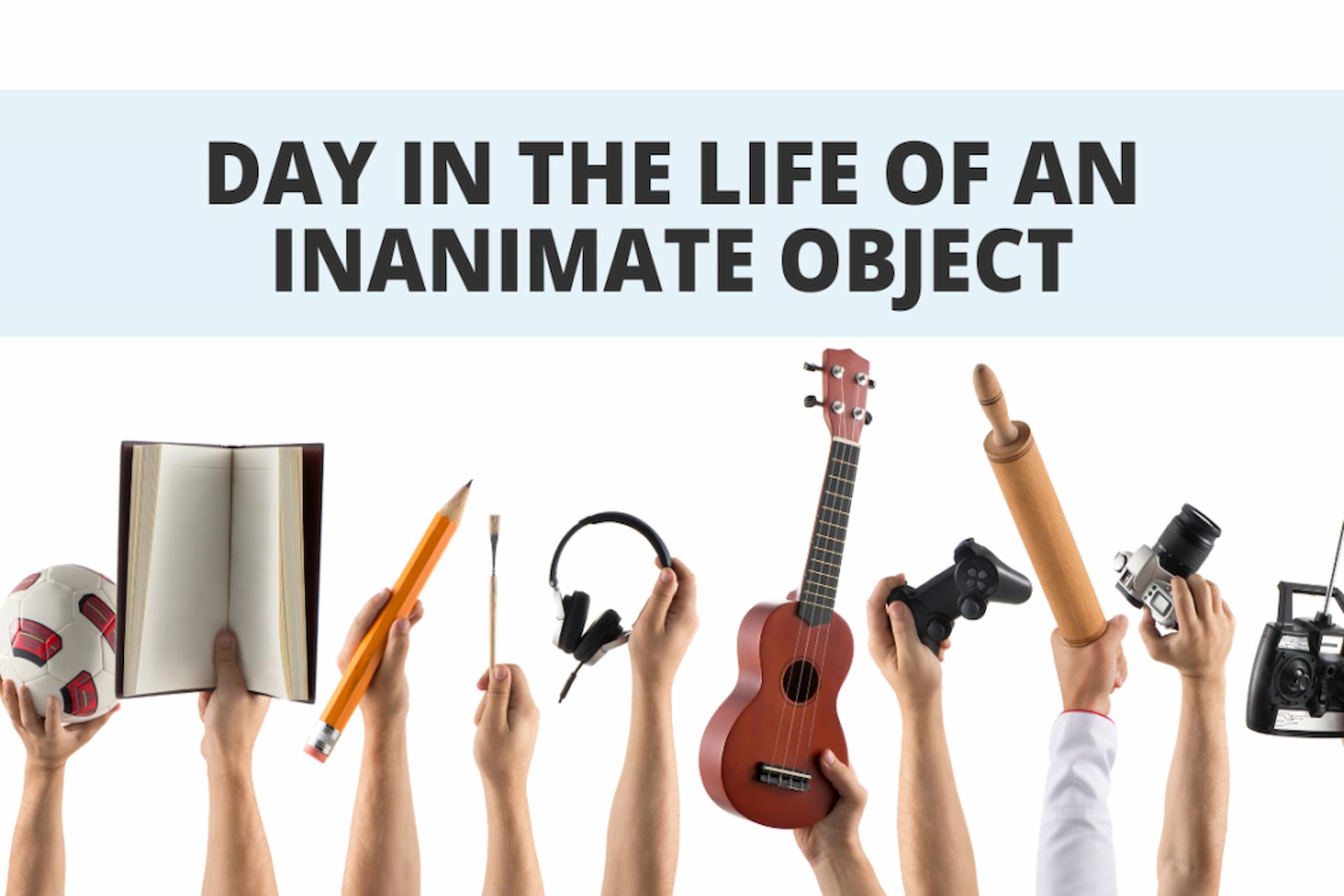
The Things We Use, and the Thoughts They Might Have
From gym cards and snooze buttons to chargers and slippers, The Secret Lives of Inanimate Objects offers a witty, observant look at modern life through the imagined thoughts of the things we rely on most—revealing our habits, contradictions, and small absurdities with gentle humour and sharp insight.
We move through our days surrounded by objects that serve us faithfully, silently, and without complaint—or so we assume. Phones vibrate, chargers tangle, keys disappear, and gym cards languish in wallets. These items witness our routines, our contradictions, and our best intentions gone astray. Yet, we rarely stop to consider their point of view.
This article adopts a playful premise: what if these everyday objects had inner monologues? What if they reflected—politely or otherwise—on how we use, neglect, and misunderstand them? By lending them a voice, we gain a humorous mirror into our own habits and the small absurdities of modern life.
Section 1: Objects That Feel Unfulfilled
1. The Gym Membership Card: Eternal Optimist, Seasonal Reality
“I was activated with such ceremony,” the gym card sighs. “January mornings, motivational playlists, bold promises.”
Now, it sits wedged between loyalty cards, wondering whether its purpose will ever be fulfilled.
This small rectangle of plastic represents modern ambition. It has seen bursts of discipline followed by long silences. Its frustration is quiet, but hopeful. After all, the following Monday is always coming.
2. The Treadmill: From Fitness Equipment to Wardrobe Accessory
“I was built for movement,” the treadmill reflects, “not for holding laundry.”
Once envisioned as a commitment to health, it has become a convenient rack for clothes worn once and not yet dirty enough to wash.
The treadmill’s story highlights a familiar contradiction: investing in change while resisting discomfort. It stands sturdy, patient, and mildly offended.
Section 2: Objects That Live with Constant Stress
3. The Phone Charger: Always Needed, Never Respected
“You panic every night,” the charger observes, “yet you never put me back in the same place.”
It endures frantic searches, rough handling, and being borrowed without consent.
Chargers know urgency better than most. They live in a cycle of neglect and desperation, quietly wishing for a designated drawer and a little gratitude.
4. The Car Keys: A Life of Perpetual Anxiety
“I am lost before you even look for me,” the keys mutter.
Their existence is defined by fear—fear of being misplaced, forgotten, or blamed.
Car keys understand human forgetfulness intimately. They experience life as a sequence of near-misses, sofa cushions, and last-seen guesses.
Section 3: Objects That Feel Personally Rejected
5. Bedroom Slippers: Casualties of Social Etiquette
“You adore me,” the slippers think, “until someone rings the doorbell.”
Instantly replaced by shoes, they are left by the bedside, confused by sudden formality.
Slippers symbolise comfort and authenticity. Their abandonment reflects our instinct to present a more polished version of ourselves to the outside world.
6. The Reusable Water Bottle: Full of Good Intentions, Rarely Refilled
“You bought me to drink more water,” the bottle notes. “I spend most days empty.”
It is a symbol of wellness aspirations, often carried but seldom used.
This object highlights a broader truth: owning healthy tools does not automatically create healthy habits.
Section 4: Objects That Secretly Enjoy Their Power
7. The Snooze Button: The Ultimate Authority Figure
“I control your morning,” the snooze button admits with pride.
Each tap grants temporary relief, at the cost of long-term stress.
It thrives on indecision. While blamed for lateness, it knows the truth: it only responds to permission.
8. The Remote Control: The Gatekeeper of Leisure
“You cannot relax without me,” the remote realises.
Lost frequently, it is always central to the evening routine.
The remote’s power lies in its absence. Its disappearance causes disproportionate distress, revealing how dependent comfort has become on convenience.
Section 5: Objects That Feel Taken for Granted
9. The Notebook: Keeper of Abandoned Ideas
“I hold your plans,” the notebook reflects, “even the ones you never returned to.”
Its pages contain goals, half-written lists, and fading resolutions.
The notebook is a quiet witness to creativity and procrastination alike. It never judges, but it remembers.
10. The Desk Chair: Silent Supporter of Long Days
“I carry your weight—literally,” the chair thinks.
It endures long hours, poor posture, and occasional misuse.
Often overlooked, it represents the infrastructure of productivity. Only noticed when uncomfortable, it asks little more than proper adjustment.
Section 6: Objects That Want Recognition
11. The Alarm Clock: Misunderstood Messenger
“Do not shoot the messenger,” the alarm clock insists.
It fulfils its duty faithfully, only to be silenced with frustration.
It exists to help, yet absorbs blame. Its experience reflects how we project dissatisfaction onto neutral tools.
12. The Umbrella: Prepared for Emergencies, Forgotten in Sunshine
“You remember me only when it rains,” the umbrella notes.
Left behind in cafés and trains, it accepts its transient role.
The umbrella’s life is brief but meaningful. It embodies preparedness, even when ignored.
Frequently Asked Questions (FAQs)
What is the main theme of “The Secret Lives of Inanimate Objects”?
The central theme explores everyday objects through imagined inner monologues that humorously reflect human habits, routines, and contradictions. By anthropomorphising common items, the article encourages readers to notice the overlooked details of daily life while offering gentle social commentary.
Is this article meant to be humorous or philosophical?
It is intentionally both. While the tone is lighthearted and entertaining, the reflections subtly highlight behavioural patterns, consumer culture, and modern lifestyle choices. The humour serves as an accessible entry point to deeper observation.
Who is the intended audience for this type of content?
The article is written for a general audience. It appeals to readers who enjoy creative humour, lifestyle commentary, and reflective writing without requiring specialised knowledge or background.
How does this format help engage readers?
Using first-person perspectives from objects creates novelty and relatability. Readers recognise themselves in the scenarios, which increases emotional engagement and makes the content memorable.
Can this concept be used in other types of writing?
Yes. This imaginative approach is effective in blogs, opinion pieces, and creative essays. It works particularly well for lifestyle, wellness, and modern culture topics where self-reflection and relatability are important.
What takeaway should readers gain from this article?
Readers are encouraged to develop awareness of their habits, appreciate everyday conveniences, and recognise small absurdities in modern life. The goal is not to change through guilt, but through gentle humour and observation.
Wrapping Up
When we step back and imagine the secret thoughts of the objects that surround us, everyday life suddenly feels richer, funnier, and more revealing. These inanimate observers reflect our routines, our procrastination, our comfort-seeking habits, and our endless cycle of good intentions.
By giving voice to items like the snooze button, car keys, treadmill, or bedroom slippers, The Secret Lives of Inanimate Objects highlights the quiet absurdities of modern living in a way that feels lighthearted yet meaningful. The humour encourages self-awareness without judgement, reminding us that even the smallest objects play a role in shaping our days.
Perhaps the real takeaway is simple: slow down, pay attention, and appreciate the tools that make life easier. And who knows—showing a little gratitude might even inspire better habits, fewer frantic searches, and finally putting that gym membership to good use.
