

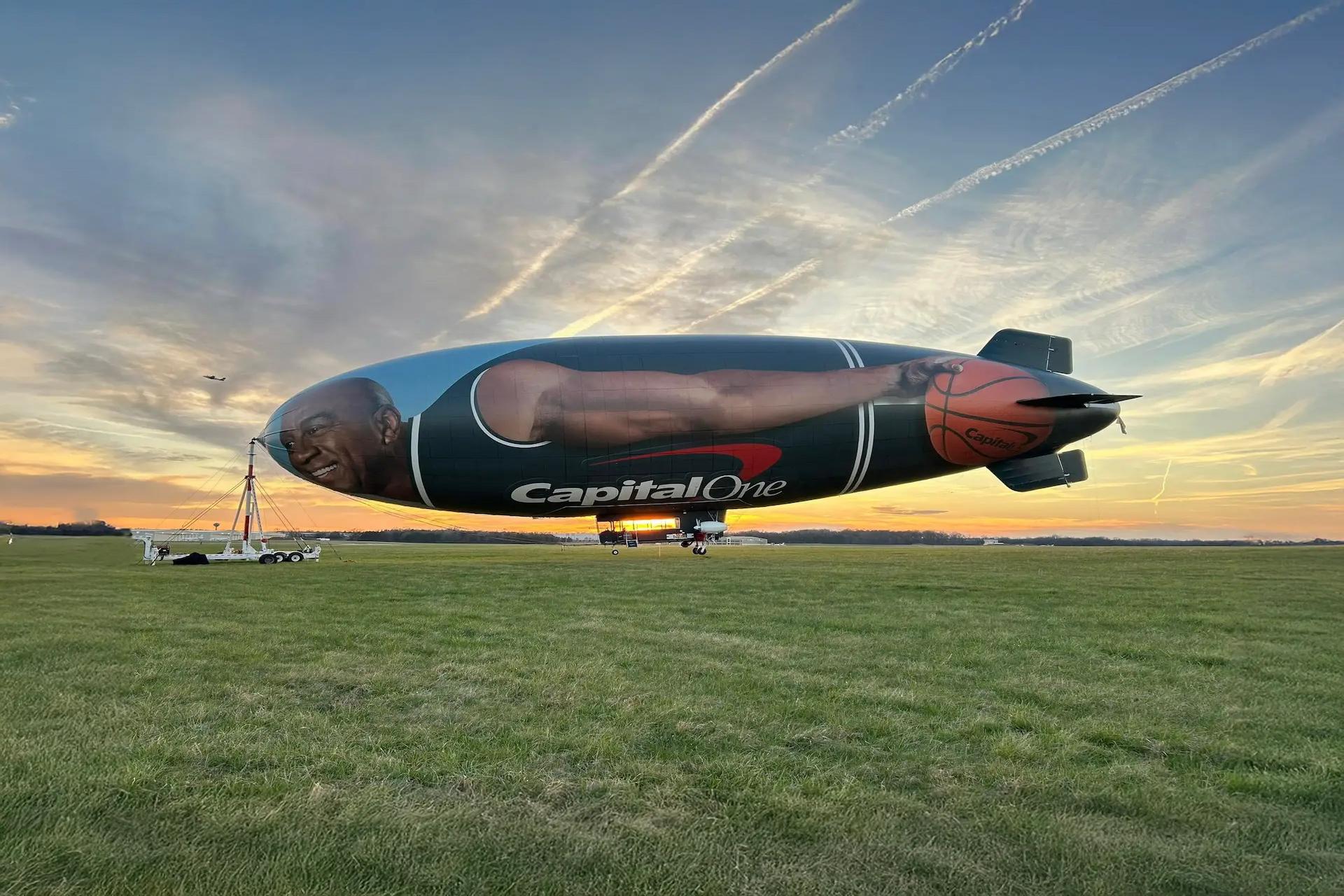
Advertising methods have evolved dramatically over the past century, moving from print newspapers and billboards to digital campaigns, social media promotions, and AI-powered marketing strategies. Yet despite the rise of modern technology, some traditional promotional tools continue to capture public attention in ways that online advertising cannot. Among the most recognisable examples are blimps, the large airships that float above sporting events, festivals, and major public gatherings. Their unique presence, visibility, and novelty have helped them remain a valuable branding asset for businesses seeking memorable audience engagement.
Long before digital screens dominated marketing budgets, advertising blimps offered companies a powerful way to showcase their brand to large crowds. Their enormous size and ability to remain visible for extended periods made them ideal for attracting attention in busy environments. Whether hovering above city skylines or major sporting venues, blimps quickly became associated with prestige, innovation, and large-scale promotional campaigns.
The Origins of Advertising Blimps
The history of blimps begins with the development of lighter-than-air aircraft in the late nineteenth and early twentieth centuries. Engineers and aviation pioneers experimented with airships as a means of transportation, military observation, and exploration.
Early Airship Development
Before becoming marketing tools, airships served practical purposes. Governments and military organisations recognised their value for surveillance and reconnaissance due to their ability to remain airborne for long periods.
As aviation technology improved, commercial organisations began exploring new uses for airships. Their large surfaces provided an ideal canvas for branding and promotional messaging.
The Rise of Commercial Advertising
By the 1920s and 1930s, businesses started using airships to increase brand awareness. Large company logos painted across airship envelopes created a striking visual presence that traditional advertising channels struggled to match.
This period marked the beginning of advertising blimps as a recognised marketing medium capable of generating widespread public attention.
How Blimps Became Marketing Icons
Throughout the twentieth century, blimps gained popularity at major events where large crowds gathered.
Sporting Events and Public Gatherings
Airships became particularly associated with sporting events. Their ability to provide aerial coverage while displaying prominent branding made them valuable assets for sponsors.
Television broadcasts further increased their appeal. Viewers watching from home often saw branded blimps hovering above stadiums, extending advertising reach beyond the physical audience.
Building Brand Recognition
Repeated exposure helped create strong brand recall. Consumers often remembered companies associated with iconic blimp appearances, particularly when linked to major cultural or sporting moments.
Why Brands Continue to Use Blimps Today
Despite the dominance of digital marketing, blimps continue to offer several unique advantages.
High Visibility
Few advertising formats can match the visual impact of a giant branded airship. A blimp can be seen from considerable distances and naturally attracts attention.
Strong Memorability
People tend to remember unusual marketing experiences. Seeing a branded blimp overhead often creates a lasting impression that standard online advertisements may struggle to achieve.
Premium Brand Positioning
Operating a blimp requires significant investment, which can reinforce perceptions of credibility, scale, and market leadership.
Key Benefits for Modern Marketing Campaigns
Brands that incorporate blimps into their promotional strategies often benefit from a combination of traditional and modern exposure.
Advantages of Using Blimps
- Exceptional visibility across large geographic areas
- Strong audience engagement at live events
- Memorable brand exposure
- Opportunities for aerial photography and video content
- Positive public curiosity and attention
- Extended viewing time compared with many digital adverts
These benefits help explain why some businesses continue to allocate budget towards aerial advertising campaigns.
The Role of Social Media in Blimp Marketing
One reason blimps remain relevant is their ability to generate digital content.
Creating Shareable Moments
A branded blimp often encourages people to take photographs and share them online. This organic social media activity can significantly expand campaign reach.
Supporting Integrated Marketing
Modern marketers increasingly combine offline and online channels. A blimp can act as a focal point that supports social media engagement, event marketing, public relations activity, and video production.
This combination allows brands to maximise the value of a single campaign across multiple platforms.
Industries That Commonly Use Blimps
While not every business can justify the investment, several sectors continue to find value in aerial advertising.
Popular Users of Blimp Advertising
- Automotive manufacturers
- Sports sponsors
- Consumer goods brands
- Entertainment companies
- Tourism organisations
- Technology businesses launching new products
These organisations often use blimps during high-profile events where visibility and audience engagement are priorities.
Challenges and Limitations
Although blimps offer unique benefits, they are not suitable for every marketing objective.
Weather Dependence
Strong winds and adverse weather conditions can affect operations and scheduling.
Operational Costs
Compared with digital advertising, blimps require substantial logistical planning and financial commitment.
Geographic Reach
Unlike online campaigns that can target global audiences instantly, blimps are limited to specific locations and events.
However, many brands view these limitations as worthwhile given the distinctive visibility and publicity generated.
The Future of Blimp Advertising
Advancements in materials, navigation systems, and sustainability initiatives are helping modern airships evolve. Some manufacturers are exploring more environmentally conscious technologies that could improve efficiency and reduce operational impact.
At the same time, marketers continue searching for ways to stand out in increasingly crowded digital spaces. Physical advertising experiences that create genuine public interest are becoming more valuable as consumers grow accustomed to online promotional content.
Because blimps offer a rare combination of visibility, novelty, and media appeal, they are likely to remain part of selected marketing campaigns for years to come.
Timeless Marketing Appeal
Advertising trends may change, but the principles of attracting attention and creating memorable experiences remain constant. Blimps continue to succeed because they offer something many marketing channels cannot: a striking physical presence that captures curiosity and sparks conversation. Their history reflects more than aviation innovation; it highlights the enduring value of creative brand promotion. As businesses seek meaningful ways to connect with audiences, blimps remain a distinctive option that combines heritage, visibility, and lasting impact in a highly competitive marketplace.
